
Cellulitis is one of those skin infections that often starts quietly but can become serious if ignored. At first glance, it may look like a simple rash, a mild irritation, or even an insect bite. But unlike minor skin conditions, cellulitis tends to spread quickly and affects deeper layers of the skin.
Many patients don’t realize they have cellulitis until the redness expands, pain increases, and the skin starts feeling unusually warm. Understanding what cellulitis looks like on the skin can help you take action early and avoid complications.
Table of Contents
Important Note
Cellulitis may begin as a small patch of redness but can spread rapidly into deeper layers of skin and tissue. This guide will help you understand early signs, symptom patterns, and warning signals so you can recognize when a skin change needs medical attention before it becomes severe.
What Is Cellulitis?
Cellulitis is a bacterial skin infection that affects the deeper layers of the skin and the tissues beneath it. It is most commonly caused by bacteria such as Streptococcus and Staphylococcus, which enter the body through small cuts, cracks, or breaks in the skin.
Unlike surface-level skin infections, cellulitis spreads through deeper tissue, which is why it can become serious if not treated early. It often appears suddenly and tends to worsen over time without proper medical care.
While cellulitis can occur anywhere on the body, it most commonly affects the legs, arms, and areas where the skin has been injured or irritated.
Patients often confuse cellulitis with allergic reactions, bruising, or insect bites in the early stages, which can delay treatment.
What Does Cellulitis Look Like on the Skin?
The appearance of cellulitis can vary from person to person, but there are some common visual patterns that help identify it.
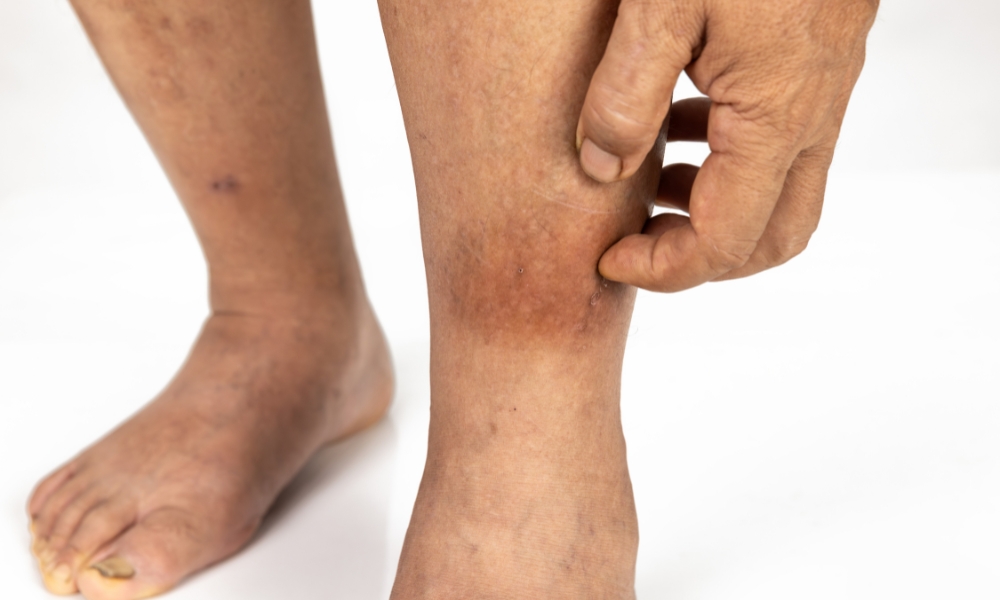
Typically, cellulitis appears as a red or pink area of skin that feels warm, swollen, and tender to touch. The redness is usually not well-defined and may gradually expand outward over time.
One of the key features of cellulitis is that the affected skin often looks tight and stretched, almost as if it is inflamed from within. In more advanced cases, the skin may appear shiny or slightly raised.
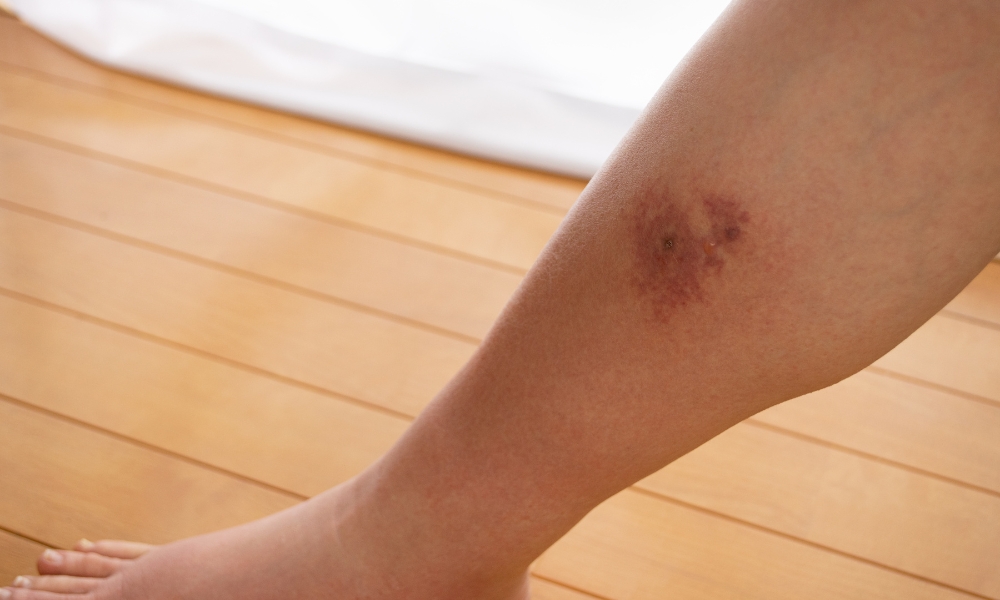
Unlike minor skin irritation, cellulitis does not usually stay in one small spot. Instead, it expands gradually, making the affected area larger over hours or days.
People often describe it as:
- A growing red patch on the skin
- Warm or hot to touch
- Painful even with light pressure
- Swollen or firm skin texture
- Skin that feels tight or stretched
Because cellulitis can resemble other conditions like eczema, allergic reactions, or even deep bruising, proper evaluation through acute care services is often necessary for accurate diagnosis.
Early Cellulitis Symptoms
Early cellulitis symptoms can be subtle, which is why many people delay seeking treatment. It may begin as a small area of redness that feels slightly tender or irritated.
Over time, the symptoms usually intensify rather than improve. This is one of the key differences between cellulitis and minor skin conditions that heal on their own.
Common early symptoms include:
- Mild redness on the skin
- Localized swelling
- Tenderness or pain when touched
- Warm sensation in the affected area
- Skin sensitivity
Some patients may also experience fatigue or mild fever as the infection begins to activate the immune response.
If symptoms are unclear, lab evaluation through lab services may help confirm whether bacteria are present and guide treatment decisions.
How Cellulitis Progresses
One of the most important things to understand about cellulitis is how quickly it can progress. A small patch of redness can expand significantly within 24 to 48 hours if untreated.
As the infection spreads, the affected skin may become increasingly painful and swollen. The redness may also begin to spread in an uneven or irregular pattern.
In more advanced stages, the infection can affect deeper tissues, leading to more severe pain, fever, chills, and general discomfort.
Patients sometimes notice that the skin feels different from surrounding areas—almost as if it is firm or hardened underneath.
People with underlying conditions such as diabetes may experience faster progression and slower healing. Regular monitoring through chronic disease management services can help reduce risks associated with infections.
What Causes Cellulitis Infection?
Cellulitis is usually caused when bacteria enter the skin through a break or injury. Even small cuts, scratches, insect bites, or cracked skin can allow bacteria to enter and multiply.
The most common bacteria responsible for cellulitis are Streptococcus and Staphylococcus species, which naturally exist on the skin but can become harmful when they penetrate deeper layers.
Sometimes cellulitis develops after conditions like athlete’s foot or eczema, where the skin barrier is already weakened.
Common causes include:
- Skin injuries or cuts
- Insect bites
- Surgical wounds
- Skin conditions like eczema
- Fungal infections
- Cracked dry skin
Even minor skin damage should be cleaned properly to reduce infection risk.
Who Is at Risk?
While anyone can develop cellulitis, certain factors increase the risk of infection.
People with weakened immune systems are more vulnerable because their bodies have a harder time fighting bacteria.
Other risk factors include poor circulation, chronic illnesses, and repeated skin injuries.
Individuals with diabetes are especially at risk due to slower wound healing and reduced immune response.
Risk factors include:
- Diabetes
- Chronic skin conditions
- Recent surgery or injury
- Weakened immune system
- Obesity
- History of cellulitis
Preventive care through preventive medicine services can help reduce recurrence and improve skin health awareness.
When Should You Worry?
A common voice-search question is: “When should I see a doctor for a red swollen skin area?”
You should be concerned if redness is expanding, pain is increasing, or the affected area becomes warm and swollen over time instead of improving.
Fever, chills, and fatigue along with skin redness are strong warning signs that the infection may be spreading.
Rapid progression within 24–48 hours is another important indicator that medical attention is needed.
If symptoms worsen quickly, evaluation through urgent care and walk-in services is strongly recommended.
Diagnosis Overview
Cellulitis is usually diagnosed through a physical examination. A healthcare provider evaluates the appearance of the skin, checks for warmth, swelling, and tenderness, and reviews the patient’s symptoms.
In some cases, blood tests or imaging may be used if the infection is severe or if deeper tissue involvement is suspected.
Doctors may also check for underlying causes such as wounds, fungal infections, or circulatory issues that contributed to the infection.
Early diagnosis plays a key role in preventing complications and ensuring effective treatment.
Treatment for Cellulitis Infection
Once cellulitis is diagnosed, treatment usually begins quickly because the infection can progress if left untreated. The main goal is to stop the bacteria from spreading deeper into the skin and surrounding tissues.
Most cases of cellulitis are treated with antibiotics. The type of antibiotic depends on the severity of the infection, the patient’s medical history, and whether the infection appears to be caused by common bacteria such as Streptococcus or Staphylococcus.
In mild cases, oral antibiotics are often sufficient. Patients usually begin to notice improvement within a few days, although full recovery may take longer depending on the extent of infection.
In more severe cases, especially when fever or rapid spreading is present, intravenous antibiotics may be required in a clinical setting.
Along with antibiotics, supportive care plays an important role. This may include rest, elevating the affected limb to reduce swelling, and pain management to improve comfort during recovery.
It is extremely important to complete the full course of prescribed antibiotics even if symptoms begin to improve early. Stopping treatment too soon can lead to recurrence or incomplete healing.
Patients who need close monitoring or rapid assessment can benefit from services like acute care evaluation to ensure the infection is responding properly to treatment.
What Happens If Cellulitis Is Not Treated?
Untreated cellulitis can become significantly more serious over time. Because the infection spreads through deeper layers of skin, delaying treatment increases the risk of complications.
In some cases, the infection can spread to lymph nodes or enter the bloodstream, leading to a condition known as sepsis. Although this is not common, it is a serious medical emergency.
As the infection progresses, symptoms may become more severe, including increased pain, fever, chills, and overall fatigue. The skin may also become increasingly tight, swollen, and discolored.
This is why early recognition of cellulitis symptoms is so important. What starts as a small red patch can evolve into a much larger infection if ignored.
Patients with chronic illnesses such as diabetes may experience faster progression, making ongoing care through chronic disease management services an important part of prevention and recovery.
Healing and Recovery Process
As cellulitis begins to heal, patients typically notice a gradual reduction in redness, swelling, and pain. The affected skin may still appear slightly discolored for some time, even after the infection is controlled.
Recovery time varies depending on the severity of the infection and how quickly treatment was started. Mild cases may improve within a week, while more severe infections may take longer to fully resolve.
It is normal for the skin to feel slightly tender during recovery, even after antibiotics have started working. However, symptoms should steadily improve rather than worsen.
If symptoms do not improve within a few days of treatment, follow-up care is important to reassess the infection and adjust treatment if needed.
Patients are often advised to continue monitoring the area even after improvement to ensure there is no recurrence.
Cellulitis vs Other Skin Conditions
One of the most common challenges is distinguishing cellulitis from other skin problems. Many conditions can look similar in the early stages.
Cellulitis is often mistaken for:
- Allergic skin reactions
- Insect bites
- Bruises
- Contact dermatitis
- Eczema flare-ups
However, cellulitis tends to be more painful, progressively worsening, and associated with warmth and swelling.
Unlike allergic reactions, cellulitis does not typically improve without medical treatment. Instead, it tends to spread and intensify.
This is why professional evaluation is important if symptoms are unclear or worsening.
Can Cellulitis Come Back?
Yes, cellulitis can recur in some individuals, especially if underlying risk factors are not addressed. Repeated skin injuries, poor circulation, or chronic conditions can increase the likelihood of recurrence.
Preventive strategies are important for reducing repeat infections. This includes proper wound care, managing chronic conditions, and maintaining skin hygiene.
Regular check-ups and preventive care through preventive medicine services can help reduce recurrence risk and improve overall skin health.
How to Protect Yourself From Cellulitis
Prevention starts with protecting the skin barrier. Even small cuts or scratches should be cleaned properly and covered if necessary to prevent bacteria from entering.
Moisturizing dry skin can also help reduce cracking, which lowers infection risk. People with athlete’s foot or fungal infections should treat them promptly, as these conditions can create entry points for bacteria.
Good hygiene practices such as regular handwashing and avoiding sharing personal items also play a role in prevention.
Individuals with diabetes or circulation issues should pay extra attention to foot care and minor injuries.
When to Seek Medical Care
You should seek medical attention if a skin area becomes increasingly red, warm, swollen, or painful. Rapid progression of symptoms is a key warning sign.
Fever, chills, or fatigue along with skin changes suggest that the infection may be spreading and should not be ignored.
If you are unsure whether a skin condition is cellulitis, it is always safer to have it evaluated early rather than wait for symptoms to worsen.
Prompt evaluation through urgent care and walk-in services can help ensure timely treatment and prevent complications.
Important Note
Cellulitis is a treatable condition, especially when addressed early. However, because it can spread quickly, it should never be ignored. If you notice expanding redness, swelling, or pain in the skin, seeking medical care promptly is the safest approach.
Cellulitis Care in Sugar Land, TX
Residents of Sugar Land and nearby communities who develop signs of cellulitis should not delay evaluation. Early treatment can significantly reduce discomfort and prevent complications.
At Voss Family Clinic, patients receive comprehensive care for skin infections, acute conditions, and chronic disease management. The clinic focuses on timely diagnosis, personalized treatment, and follow-up care to ensure proper recovery.
Patients can schedule an appointment for evaluation and treatment if they notice concerning skin changes.
Worried About a Possible Cellulitis Infection?
A red, swollen, warm, or painful skin area that is getting worse should not be ignored. The healthcare team at Voss Family Clinic provides evaluation and treatment for cellulitis and other skin infections. Early care can prevent complications and support faster healing.
Voss Family Clinic | Sugar Land, TX
Frequently Asked Questions About Cellulitis
What does cellulitis look like at first?
Cellulitis often begins as a small red area on the skin that feels warm, tender, and slightly swollen. It may resemble a minor rash or insect bite initially.
Is cellulitis painful?
Yes, cellulitis is often painful. The pain may increase as the infection spreads and the skin becomes more inflamed.
Can cellulitis go away on its own?
In most cases, cellulitis requires antibiotic treatment. Without treatment, it can worsen and spread to deeper tissues.
How fast does cellulitis spread?
Cellulitis can spread quickly, sometimes within 24 to 48 hours, which is why early treatment is important.
What is the main cause of cellulitis?
Cellulitis is usually caused by bacteria entering the skin through cuts, wounds, or skin conditions that break the skin barrier.
When should I go to the doctor for cellulitis?
You should seek medical care if redness is expanding, pain is worsening, or if fever develops alongside skin symptoms.
Is cellulitis contagious?
Cellulitis itself is not highly contagious, but the bacteria that cause it can spread through direct contact in some situations.
What helps cellulitis heal faster?
Early antibiotic treatment, rest, and keeping the affected area elevated can support faster healing.
Final Thoughts
Cellulitis is a common but potentially serious skin infection that should be taken seriously from the first signs. While it may start as a small red patch, it can progress rapidly if left untreated.
Recognizing cellulitis symptoms early and seeking prompt medical attention is the most effective way to ensure recovery and prevent complications. If you notice skin changes that are spreading, painful, or warm to the touch, it is always better to get checked by a healthcare professional.
Medical Disclaimer: This article is for educational purposes only and should not replace professional medical advice, diagnosis, or treatment.