
You glance at the blood pressure monitor after a routine screening and see two numbers staring back at you: 138/86. Maybe you’ve checked it at a pharmacy kiosk, during a workplace wellness event, or before a doctor’s appointment. Naturally, questions start racing through your mind. Is this normal? Should I be worried? Do I need to see a doctor today, or can it wait?
Blood pressure readings are among the most commonly measured health numbers, yet they’re also some of the most misunderstood. Many people know that “high blood pressure is bad,” but few understand what the two numbers actually represent, why they matter, or when an elevated reading becomes a reason to seek immediate medical attention.
The reality is that one blood pressure reading rarely tells the entire story. Factors like stress, physical activity, caffeine, pain, dehydration, and even anxiety during a medical appointment can temporarily affect your numbers. That’s why healthcare providers look at the complete picture—including your symptoms, medical history, and repeated measurements—before making a diagnosis or recommending treatment.
Understanding your blood pressure numbers empowers you to make informed decisions about your health. It can help you recognize when routine follow-up is appropriate, when same-day evaluation at a walk-in clinic is recommended, and when emergency care may be necessary.
For individuals throughout Sugar Land, Missouri City, Aliana, Old Richmond, Bissonnet, Eldridge, and nearby communities, regular blood pressure monitoring is an important part of preventing heart disease, stroke, kidney disease, and other long-term complications. Whether you’re checking your blood pressure for the first time or managing hypertension for years, knowing what your numbers mean is an important step toward protecting your health.
Important Note
Seeing an elevated blood pressure reading can be alarming, but a single high number doesn’t always indicate a medical emergency. Understanding what each number represents, recognizing warning signs, and knowing when to seek prompt medical evaluation can help you respond appropriately while reducing unnecessary anxiety. Early assessment often prevents small concerns from becoming serious health problems.
Table of Contents
- What Is Blood Pressure?
- Understanding the Two Blood Pressure Numbers
- What Different Blood Pressure Readings Mean
- Can One High Reading Be Normal?
- When Should You Visit a Walk-In Clinic?
- When Can It Wait for Primary Care?
- How High Blood Pressure Is Diagnosed
- Preventing Hypertension
- Frequently Asked Questions
What Is Blood Pressure?
Every second of every day, your heart pumps blood throughout your body. That blood delivers oxygen and nutrients to your organs, muscles, and tissues while carrying away waste products. Blood pressure is simply the force that circulating blood places against the walls of your arteries during this process.
Your body depends on healthy blood pressure to function properly. If pressure becomes too low, important organs may not receive enough oxygen-rich blood. If it remains consistently too high, the constant force gradually damages blood vessels and places extra strain on the heart.
Think of your arteries like a garden hose. Water needs enough pressure to flow efficiently, but excessive pressure over a long period can weaken the hose and increase the chance of leaks or damage. Similarly, persistently elevated blood pressure can slowly affect nearly every organ in your body.
Because hypertension usually develops gradually and often causes no noticeable symptoms, routine blood pressure checks during annual physical exams remain one of the most effective ways to identify problems before serious complications occur.

Understanding the Two Blood Pressure Numbers
Every blood pressure reading contains two numbers separated by a slash, such as 120/80 mmHg. While many people recognize these numbers, they often aren’t sure what each one actually measures.
What Is the Top Number (Systolic Blood Pressure)?
The first, or top, number is called your systolic blood pressure. It measures the pressure inside your arteries when your heart contracts and pumps blood throughout your body.
Because this is the moment when your heart generates the greatest force, the systolic number is always higher than the second number.
As people age, systolic blood pressure often becomes more important because arteries naturally lose some of their flexibility over time. Elevated systolic pressure has been strongly linked to an increased risk of heart attack, stroke, heart failure, and kidney disease.
What Is the Bottom Number (Diastolic Blood Pressure)?
The second, or bottom, number is known as the diastolic blood pressure. This measures the pressure in your arteries while your heart is resting between beats and filling with blood for the next contraction.
Even though your heart is briefly resting, blood continues circulating throughout your body. The diastolic number reflects the resistance inside your blood vessels during this resting phase.
Both numbers are important. Sometimes the systolic number is elevated while the diastolic remains normal. Other times, both numbers are high. Your healthcare provider considers both values when determining whether further evaluation or treatment is necessary.
What Do Different Blood Pressure Readings Mean?
Although your healthcare provider interprets your blood pressure based on your overall health, certain ranges help guide medical decisions.
A reading below approximately 120/80 mmHg is generally considered within the normal range for most healthy adults.
Readings with a systolic value between approximately 120 and 129 while the diastolic remains below 80 may indicate elevated blood pressure. This stage often serves as an early warning sign that lifestyle improvements can help prevent future hypertension.
Consistently higher readings may indicate hypertension. However, a diagnosis typically requires multiple elevated readings obtained over time rather than relying on a single measurement.
Your provider may also recommend home blood pressure monitoring because readings obtained in familiar surroundings often provide valuable information about your everyday blood pressure.
Rather than memorizing numbers alone, it’s more helpful to understand what they represent. Blood pressure exists on a spectrum, and healthcare providers consider your age, symptoms, existing medical conditions, medications, and overall cardiovascular risk before recommending treatment.
Can One High Blood Pressure Reading Be Normal?
Absolutely. One of the most common misconceptions is that a single elevated blood pressure reading automatically means someone has hypertension.
In reality, blood pressure changes continuously throughout the day. Physical activity, emotional stress, anxiety, caffeine, nicotine, certain medications, pain, dehydration, illness, poor sleep, and even talking during the measurement can temporarily increase your reading.
Many people experience what’s known as white coat hypertension, where blood pressure rises simply because they’re nervous during a medical appointment. Others experience the opposite phenomenon, known as masked hypertension, where readings appear normal in the office but remain elevated at home.
Because of these natural fluctuations, healthcare providers rarely diagnose hypertension after only one reading unless blood pressure is dangerously high or accompanied by concerning symptoms.
If your reading is mildly elevated but you feel well, your provider may recommend repeating the measurement after you’ve rested quietly for several minutes or checking your blood pressure at home over several days.
Consistent monitoring often provides much more useful information than focusing on a single number.
Important Note
Not every elevated blood pressure reading requires emergency treatment, but repeated high readings should never be ignored. Your symptoms, overall health, and how high your blood pressure is all help determine whether you should visit a walk-in clinic the same day, schedule a primary care appointment, or seek emergency medical attention. When in doubt, it’s always safest to speak with a healthcare professional.
When Should You Visit a Walk-In Clinic for High Blood Pressure?
One of the most common questions patients ask is, “Should I go to a walk-in clinic because my blood pressure is high?” The answer depends on much more than the numbers themselves.
If your blood pressure is higher than normal but you feel generally well, it usually isn’t an emergency. However, same-day medical evaluation is often appropriate, especially if your readings remain elevated after resting or if you’re experiencing new symptoms.
A walk-in clinic is an excellent option when you need prompt evaluation but your condition doesn’t appear life-threatening. Instead of waiting several weeks for an appointment, you can be evaluated, have your blood pressure rechecked, discuss possible causes, and receive guidance on the next steps.
At Voss Family Clinic’s Urgent Care & Walk-In Services, patients with newly elevated blood pressure can receive timely medical evaluation, helping determine whether additional testing, medication adjustments, or close follow-up is needed.
Situations That May Require a Same-Day Walk-In Visit
You should consider seeking same-day evaluation if you experience:
- Repeatedly elevated blood pressure readings over several hours.
- A newly high reading that is much higher than your usual numbers.
- Persistent headaches combined with elevated blood pressure.
- Dizziness or lightheadedness that doesn’t improve.
- Blurred vision or temporary vision changes.
- Unexplained shortness of breath.
- Mild chest discomfort that isn’t severe but feels unusual.
- Questions about newly prescribed blood pressure medication.
- Running out of blood pressure medication unexpectedly.
These situations don’t always represent emergencies, but they deserve prompt medical attention so that a healthcare provider can determine the underlying cause and recommend appropriate treatment.
When Is High Blood Pressure a Medical Emergency?
While most elevated blood pressure readings are not immediately life-threatening, extremely high blood pressure combined with serious symptoms may indicate a hypertensive emergency.
Unlike routine hypertension, a hypertensive emergency involves dangerously elevated blood pressure that may already be affecting major organs such as the brain, heart, kidneys, or eyes.
Seek emergency medical care immediately if high blood pressure occurs together with:
- Severe chest pain
- Difficulty breathing
- Sudden weakness or numbness on one side of the body
- Difficulty speaking or understanding speech
- Confusion or sudden changes in mental status
- Loss of consciousness
- Sudden vision loss
- The worst headache of your life
These symptoms could indicate a heart attack, stroke, or another life-threatening condition. In these situations, calling emergency medical services is much safer than driving yourself to a clinic.
When Can You Schedule a Routine Primary Care Appointment?
Not every elevated blood pressure reading requires immediate evaluation. In many cases, scheduling a routine primary care visit is the most appropriate next step.
If you’ve noticed mildly elevated readings over several weeks, feel otherwise healthy, and aren’t experiencing concerning symptoms, your provider can evaluate your overall cardiovascular health during a scheduled appointment.
Routine primary care appointments allow enough time to review your complete medical history, family history, medications, diet, exercise habits, stress levels, sleep quality, and any underlying conditions that could contribute to hypertension.
This comprehensive approach often leads to better long-term outcomes than simply treating one elevated reading.
Patients with existing hypertension also benefit from regular follow-up through chronic disease management, where blood pressure trends, medications, laboratory results, and lifestyle changes can all be monitored over time.
How Healthcare Providers Evaluate High Blood Pressure
Diagnosing hypertension involves much more than wrapping a cuff around your arm. Your healthcare provider wants to understand why your blood pressure is elevated and whether other medical conditions may be contributing.
After reviewing multiple blood pressure readings, your provider may ask questions about:
- Your family history of hypertension or heart disease.
- Current medications and supplements.
- Caffeine and alcohol consumption.
- Tobacco or nicotine use.
- Exercise habits.
- Sleep quality.
- Stress levels.
- Dietary sodium intake.
- Recent illnesses.
Laboratory testing may also be recommended to evaluate cholesterol, kidney function, blood sugar, thyroid health, and other factors that influence blood pressure. Comprehensive laboratory services help identify medical conditions that may require treatment alongside hypertension.
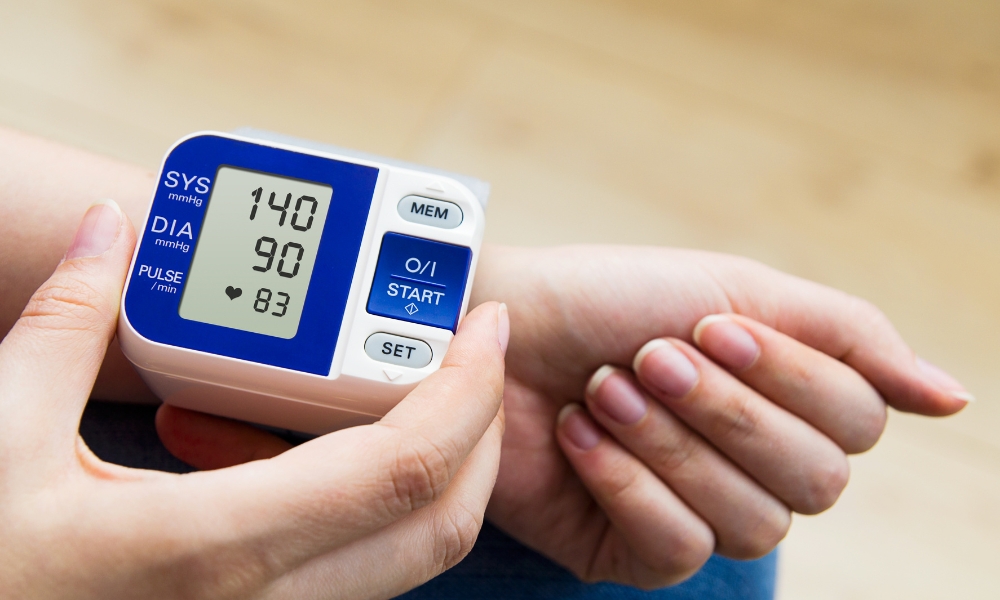
Why Blood Pressure Should Never Be Ignored
One reason hypertension is so dangerous is that people often feel completely healthy while damage slowly occurs inside the body.
Over time, uncontrolled high blood pressure increases the risk of:
- Heart attack
- Stroke
- Heart failure
- Kidney disease
- Vision loss
- Poor circulation
- Cognitive decline
These complications usually don’t develop overnight. Instead, they occur gradually after years of elevated blood pressure. That’s exactly why early diagnosis and consistent management are so important.
Routine wellness visits, annual physical exams, healthy lifestyle habits, and appropriate treatment can dramatically reduce these risks.
What Happens If Your Blood Pressure Is High During Another Appointment?
Sometimes patients discover elevated blood pressure while visiting the clinic for an unrelated concern, such as allergies, a respiratory infection, or a routine physical.
Rather than immediately diagnosing hypertension, your provider may repeat the measurement after you’ve had time to relax. If the reading remains elevated, additional follow-up or home blood pressure monitoring may be recommended.
This careful approach helps avoid unnecessary treatment while ensuring that persistent hypertension isn’t overlooked.
For many patients, identifying elevated blood pressure during preventive healthcare visits creates an opportunity to begin treatment before symptoms or complications develop.
How to Keep Your Blood Pressure in a Healthy Range
Whether your blood pressure is currently normal, slightly elevated, or you’re already being treated for hypertension, healthy daily habits remain one of the most effective ways to protect your heart and blood vessels. While medication is necessary for many individuals, lifestyle choices continue to play a critical role in long-term blood pressure management.
One of the most beneficial changes is staying physically active. Regular exercise strengthens the heart, allowing it to pump blood more efficiently while reducing the pressure placed on your arteries. Activities such as brisk walking, swimming, cycling, or even daily neighborhood walks can make a meaningful difference when practiced consistently.
A heart-healthy eating pattern is equally important. Meals rich in vegetables, fruits, whole grains, lean proteins, beans, nuts, and healthy fats provide nutrients that support cardiovascular health. Limiting processed foods and reducing excess sodium intake can also help many people maintain healthier blood pressure readings.
Other healthy habits—including maintaining a healthy weight, avoiding tobacco products, limiting alcohol consumption, managing stress, and getting adequate sleep—can all contribute to better cardiovascular health. These changes may seem small individually, but together they often have a powerful impact over time.
Why Regular Blood Pressure Monitoring Matters
Blood pressure isn’t static. It changes throughout the day and can gradually increase over months or years without causing noticeable symptoms. That’s why routine monitoring remains one of the simplest yet most valuable preventive health practices.
If you’ve been diagnosed with hypertension, checking your blood pressure at home using a validated monitor can provide useful information between office visits. Recording your readings and sharing them with your healthcare provider often helps guide treatment decisions more effectively than relying on occasional office measurements alone.
Even adults who have never been diagnosed with hypertension should continue routine blood pressure screenings during annual wellness visits. Early detection provides the best opportunity to prevent long-term complications.
Scheduling regular preventive medicine visits and annual physical exams allows your healthcare provider to monitor blood pressure trends and identify changes before they become serious health concerns.
Understanding the Bigger Picture of Heart Health
Your blood pressure is only one piece of your overall cardiovascular health. Healthcare providers also consider factors such as cholesterol levels, blood sugar, body weight, kidney function, family history, physical activity, nutrition, and existing medical conditions.
For example, patients living with diabetes often require closer blood pressure monitoring because the combination of diabetes and hypertension significantly increases the risk of heart disease and kidney complications. Similarly, individuals with existing cardiovascular disease may benefit from coordinated follow-up care that focuses on reducing future health risks.
Looking at the complete picture allows your provider to develop a treatment plan that’s personalized rather than based solely on a single blood pressure reading.
Blood Pressure Care in Sugar Land
For residents of Sugar Land, Missouri City, Aliana, Old Richmond, Bissonnet, Eldridge, and nearby communities, regular blood pressure screenings are an important part of maintaining long-term health.
At Voss Family Clinic, Dr. Humera Naqvi and Asma Rehman, NP, provide comprehensive primary care focused on prevention, early diagnosis, and individualized chronic disease management. Whether you’ve noticed elevated readings at home, need guidance after a pharmacy blood pressure check, or have been living with hypertension for years, personalized care can help reduce your risk of future complications.
Patients who need prompt evaluation for elevated blood pressure can also take advantage of the clinic’s walk-in medical services, while those seeking long-term management can establish ongoing care through the clinic’s comprehensive primary care services.
If you haven’t had your blood pressure checked recently or you’ve noticed consistently elevated readings, consider scheduling an appointment before symptoms develop. Since hypertension often progresses silently, early evaluation remains one of the best ways to protect your long-term health.
Frequently Asked Questions
Which blood pressure number is more important?
Both numbers are important. The systolic (top) number measures pressure when your heart beats, while the diastolic (bottom) number measures pressure when your heart rests between beats. Healthcare providers evaluate both values together to assess your cardiovascular health.
Can stress temporarily raise blood pressure?
Yes. Emotional stress, anxiety, pain, illness, caffeine, nicotine, and physical activity can all temporarily increase blood pressure. That’s one reason healthcare providers usually rely on multiple readings before diagnosing hypertension.
Should I worry if I have one high blood pressure reading?
Not necessarily. One elevated reading doesn’t automatically mean you have high blood pressure. However, repeated elevated readings should be evaluated by a healthcare provider to determine whether additional monitoring or treatment is needed.
When should I go to a walk-in clinic for high blood pressure?
If your blood pressure remains elevated, you’re experiencing mild symptoms such as headaches, dizziness, or blurred vision, or you have concerns about your medication, a same-day walk-in evaluation is often appropriate. Severe symptoms such as chest pain, difficulty breathing, confusion, or signs of a stroke require emergency medical care.
Can I lower my blood pressure without medication?
Some people with mildly elevated blood pressure are able to improve their readings through healthy lifestyle changes such as regular exercise, weight management, improved nutrition, reducing sodium intake, limiting alcohol, and quitting smoking. Others require medication in addition to lifestyle improvements. Your healthcare provider can recommend the most appropriate treatment based on your individual health needs.
How often should I check my blood pressure?
This depends on your age, health history, and whether you’ve already been diagnosed with hypertension. Individuals with high blood pressure often benefit from regular home monitoring, while healthy adults should continue routine blood pressure checks during preventive healthcare visits.
Final Thoughts
Your blood pressure numbers tell an important story about your overall cardiovascular health. Understanding the difference between systolic and diastolic pressure, recognizing when a reading requires prompt evaluation, and knowing when routine primary care is appropriate can help you make confident healthcare decisions.
Most importantly, remember that a single blood pressure reading is only one part of the picture. Consistent monitoring, healthy lifestyle habits, routine preventive care, and personalized medical guidance all contribute to protecting your heart, brain, kidneys, and blood vessels over the long term.
If you’ve noticed elevated readings or simply want a better understanding of your cardiovascular health, early evaluation can provide peace of mind and help prevent future complications. With regular monitoring and proactive care, high blood pressure is one of the most manageable chronic health conditions.
Medical Disclaimer
This article is intended for educational purposes only and should not replace professional medical advice, diagnosis, or treatment. If you have concerns about your blood pressure or experience symptoms such as severe chest pain, sudden weakness, difficulty speaking, confusion, or shortness of breath, seek immediate medical attention. Always consult a qualified healthcare provider regarding your individual health concerns.