
Many people are surprised to learn they have high blood pressure. They feel perfectly healthy, continue their daily routines, and experience no obvious warning signs. Then, during a routine physical, an urgent care visit, or even after a medical emergency, they’re told their blood pressure has been dangerously elevated for months—or even years.
This is exactly why high blood pressure has earned the nickname “the silent killer.” Unlike many medical conditions that announce themselves with persistent pain or noticeable symptoms, hypertension often progresses quietly. Meanwhile, it can gradually damage the heart, blood vessels, kidneys, brain, and eyes without causing discomfort. By the time symptoms finally appear, significant complications may already be developing.
The good news is that high blood pressure is one of the most manageable chronic health conditions when it’s detected early and treated consistently. With regular monitoring, healthy lifestyle choices, and personalized medical care, many people successfully control their blood pressure and dramatically reduce their risk of heart attack, stroke, kidney disease, and other serious complications.
For individuals and families throughout Sugar Land, Missouri City, Aliana, Old Richmond, Bissonnet, and surrounding communities, having an experienced primary care team can make all the difference. At Voss Family Clinic, Dr. Humera Naqvi and Asma Rehman, NP, focus on preventive care, early diagnosis, and long-term chronic disease management to help patients stay healthier for years to come.
Important Note
High blood pressure often develops without causing pain or obvious symptoms, making it easy to overlook until serious health problems occur. Understanding your personal risk factors, recognizing when medical evaluation is needed, and scheduling regular blood pressure checks can help detect hypertension before it affects your heart, brain, kidneys, or vision. The earlier high blood pressure is identified, the more opportunities there are to prevent long-term complications.
Table of Contents
What Is High Blood Pressure?
Blood pressure measures the force of blood pushing against the walls of your arteries every time your heart beats. This pressure is necessary because it allows oxygen and nutrients to travel throughout your body. However, when that pressure stays consistently higher than normal, your heart and blood vessels must work harder than they were designed to.
Over time, this increased workload places tremendous stress on the cardiovascular system. Arteries gradually become less flexible, the heart muscle may thicken as it works harder to pump blood, and delicate blood vessels throughout the body can begin to sustain microscopic damage.
Hypertension isn’t simply a number displayed on a blood pressure cuff. It’s a chronic medical condition that increases the likelihood of developing heart disease, stroke, kidney failure, vision loss, cognitive decline, and other potentially life-changing health problems.
Because these complications often develop gradually, routine blood pressure screening during annual physical exams plays an essential role in identifying elevated readings before permanent damage occurs.
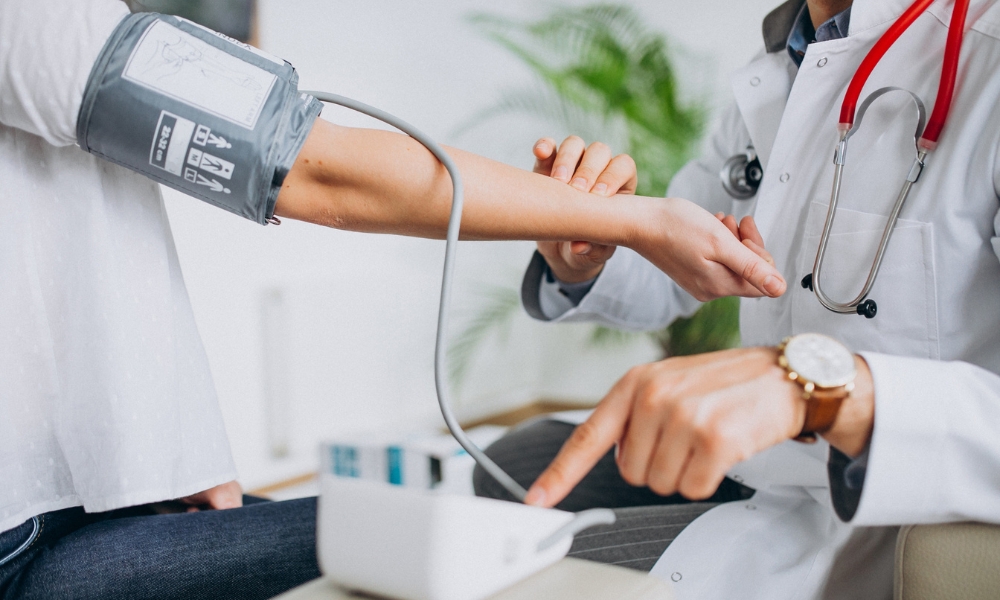
Why Is High Blood Pressure Called the “Silent Killer”?
Unlike infections that cause fever or injuries that produce pain, hypertension usually develops quietly. Your body gradually adapts to the higher pressure, allowing many people to continue feeling completely normal even when their blood pressure reaches dangerous levels.
This silent progression is what makes hypertension particularly concerning. Months or years may pass before someone realizes they have the condition. During that time, elevated blood pressure continues affecting nearly every major organ system.
The heart may begin enlarging to compensate for the extra workload. Blood vessels supplying the brain may weaken or become blocked. Tiny filtering structures inside the kidneys can slowly lose function. Even the delicate blood vessels inside the eyes can become damaged, affecting vision over time.
Many patients ask, “If I don’t feel sick, do I really need treatment?” The answer is yes. Feeling well does not necessarily mean your blood pressure is healthy. This is one of the biggest misconceptions surrounding hypertension.
Routine monitoring through a trusted chronic disease management program allows healthcare providers to detect subtle changes early and develop a personalized treatment plan before complications occur.
Can High Blood Pressure Cause Symptoms?
Most people with high blood pressure experience no symptoms at all. That’s why regular blood pressure checks remain one of the most valuable preventive healthcare tools available.
However, when blood pressure becomes extremely elevated or begins affecting vital organs, symptoms may develop. These symptoms don’t necessarily confirm hypertension, but they should never be ignored.
Some individuals may notice persistent headaches, especially in the morning. Others experience blurred vision, dizziness, chest discomfort, shortness of breath, unusual fatigue, or episodes of nosebleeds. In severe cases, confusion, difficulty speaking, or weakness affecting one side of the body may signal a medical emergency such as a stroke.
It’s important to remember that these symptoms can also be caused by many other medical conditions. Rather than trying to determine the cause on your own, seeking prompt medical evaluation is the safest approach.
Patients experiencing headaches together with elevated blood pressure may also benefit from evaluation for related conditions through specialized headache and migraine care, since not every headache is directly caused by hypertension.
Likewise, ongoing fatigue or dizziness may require additional assessment because these symptoms can sometimes be associated with thyroid disorders, anemia, dehydration, medication side effects, heart conditions, or other medical concerns.
Who Is Most at Risk for High Blood Pressure?
High blood pressure can affect adults of any age, but certain factors significantly increase the likelihood of developing hypertension over time. Some of these risks are beyond your control, while others can be modified through healthy lifestyle changes.
Age is one of the strongest risk factors. As people grow older, blood vessels naturally lose some of their elasticity, making elevated blood pressure more common. Family history also plays an important role. Individuals with parents or siblings who have hypertension are more likely to develop it themselves.
Lifestyle habits can greatly influence blood pressure as well. Diets high in sodium, physical inactivity, excessive alcohol consumption, smoking, chronic stress, poor sleep quality, and obesity all contribute to increased cardiovascular strain.
Certain chronic medical conditions—including diabetes, kidney disease, thyroid disorders, sleep apnea, and high cholesterol—may also raise the risk of hypertension. Because many of these conditions occur together, comprehensive primary care focuses on evaluating the whole patient rather than treating one diagnosis in isolation.
At Voss Family Clinic, preventive screenings, routine laboratory testing, and personalized risk assessments help identify these contributing factors before they lead to more serious health concerns. Services such as diagnostic lab testing and preventive wellness visits often provide valuable information that guides individualized treatment decisions.
Many patients are surprised to discover that improving even a few daily habits can produce meaningful reductions in blood pressure over time. Small, consistent changes frequently have a greater long-term impact than attempting drastic lifestyle changes that are difficult to maintain.
Important Note
Seeing an elevated blood pressure reading doesn’t automatically mean you’re facing an immediate emergency. Stress, pain, illness, caffeine, and even anxiety during a doctor’s visit can temporarily raise blood pressure. However, repeated high readings should never be ignored. Instead of trying to diagnose yourself based on a single number, work with a healthcare provider to determine whether you have chronic hypertension and what treatment approach is best for your overall health.
How Is High Blood Pressure Diagnosed?
One high blood pressure reading doesn’t always mean you have hypertension. Blood pressure naturally changes throughout the day depending on your activity level, stress, sleep, hydration, medications, and even the time of day. Because of these normal fluctuations, healthcare providers look for a pattern of consistently elevated readings rather than relying on a single measurement.
During a routine office visit, your blood pressure should be measured after you’ve had a chance to sit quietly for several minutes. Your arm should be supported at heart level, and the cuff should fit properly. Even small differences in technique can affect the results, which is why careful measurement is so important.
If your readings remain elevated during multiple visits, your provider may recommend checking your blood pressure at home with a validated monitor. Home readings often provide a more accurate picture of your typical blood pressure because they are taken in a familiar environment without the stress some people experience in a medical office.
Your provider may also ask questions about your family history, diet, exercise habits, medications, sleep quality, tobacco use, alcohol consumption, and stress levels. Together, this information helps determine whether your blood pressure elevation is temporary or part of a chronic condition that requires ongoing management.
Laboratory testing may also be recommended to evaluate kidney function, blood sugar, cholesterol levels, thyroid function, and other factors that can contribute to hypertension or influence treatment decisions. Diagnostic testing through Voss Family Clinic’s laboratory services allows your healthcare team to build a more complete picture of your cardiovascular health.
Why Early Detection Makes Such a Big Difference
Many chronic diseases become more difficult to manage once complications develop. High blood pressure is no exception. Identifying hypertension before it damages the heart, kidneys, brain, or blood vessels creates far more opportunities to prevent serious health problems.
Consider someone whose blood pressure has remained uncontrolled for ten years without symptoms. During that time, the heart has been working harder with every beat, blood vessels have experienced continuous stress, and the risk of stroke or heart attack has steadily increased. Yet the individual may have continued feeling perfectly healthy.
Now imagine another patient whose elevated blood pressure is discovered during an annual wellness visit. Lifestyle changes begin immediately, medication is started if appropriate, and routine follow-up visits help keep blood pressure under control. Although both patients developed hypertension, their long-term health outcomes may be dramatically different simply because one condition was detected earlier.
This is why regular preventive healthcare remains one of the most effective ways to reduce the burden of cardiovascular disease. Scheduling routine preventive medicine visits allows potential health concerns to be addressed before they become emergencies.
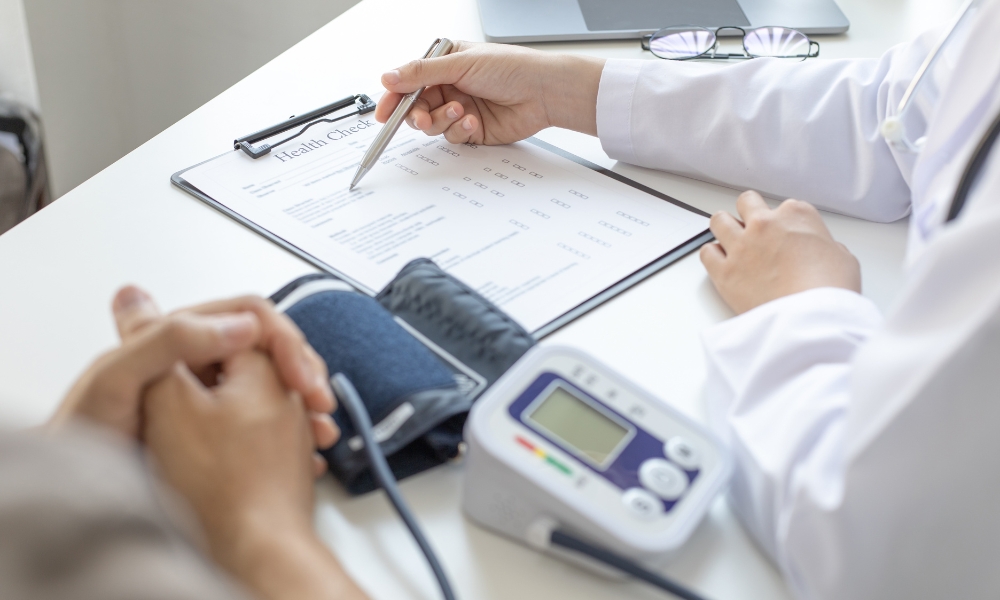
How Is High Blood Pressure Treated?
Treatment for high blood pressure is highly individualized. There is no single plan that works for everyone because every patient’s health history, lifestyle, age, medical conditions, and cardiovascular risk factors are different.
For some individuals with mildly elevated blood pressure, lifestyle modifications alone may successfully bring readings back into a healthier range. Others may require prescription medications along with healthy habits to achieve adequate blood pressure control.
The goal isn’t simply to lower the numbers on a blood pressure monitor. Effective treatment focuses on protecting the heart, brain, kidneys, eyes, and blood vessels while helping patients maintain an active, healthy life.
Lifestyle Changes That Can Have a Significant Impact
Healthy lifestyle habits remain the foundation of hypertension management regardless of whether medication is needed. Small improvements practiced consistently often produce meaningful long-term benefits.
Eating a diet rich in vegetables, fruits, whole grains, lean proteins, legumes, and healthy fats supports cardiovascular health. Reducing sodium intake can also help many individuals lower their blood pressure, particularly those who are sensitive to salt.
Regular physical activity strengthens the heart, improves circulation, helps manage body weight, and contributes to healthier blood pressure. Even moderate activities such as brisk walking, swimming, or cycling performed most days of the week can make a noticeable difference over time.
Maintaining a healthy weight, limiting alcohol intake, avoiding tobacco products, managing stress, and getting adequate sleep all contribute to better cardiovascular health. Rather than striving for perfection, many patients find greater success by making gradual, sustainable improvements they can maintain for years.
When Medication Becomes Necessary
If lifestyle changes alone aren’t enough, medication may be recommended to safely lower blood pressure and reduce the risk of long-term complications.
Several different types of blood pressure medications are available, and each works differently. Some help relax blood vessels, while others reduce fluid retention or decrease the workload placed on the heart. Finding the right medication sometimes requires adjustments based on how your body responds.
It’s important to continue taking prescribed medications even when you feel well. Because hypertension often causes no symptoms, stopping medication without medical guidance can allow blood pressure to rise again without you realizing it.
Your provider will monitor both your blood pressure and any potential side effects, making changes when necessary to find the safest and most effective treatment plan.
Managing High Blood Pressure Alongside Other Chronic Conditions
High blood pressure rarely exists in isolation. Many adults also live with diabetes, high cholesterol, obesity, heart disease, kidney disease, thyroid disorders, or sleep apnea. These conditions often influence one another, making coordinated care especially important.
For example, uncontrolled diabetes can damage blood vessels and increase the risk of hypertension-related complications. Likewise, poorly controlled hypertension may accelerate kidney disease or worsen existing heart conditions.
This is why comprehensive chronic disease management focuses on treating the whole patient instead of addressing one diagnosis at a time. Coordinating medications, monitoring laboratory results, encouraging healthy lifestyle habits, and scheduling regular follow-up visits help patients achieve better long-term outcomes.
Patients living with diabetes may also benefit from personalized diabetes care, while those with cardiovascular concerns often require ongoing evaluation through heart disease follow-up services. Managing these conditions together rather than separately often leads to better overall health.
When Should You Seek Immediate Medical Care?
Although high blood pressure usually develops gradually, extremely elevated blood pressure accompanied by concerning symptoms may represent a medical emergency.
Seek immediate medical attention if high blood pressure is accompanied by severe chest pain, sudden shortness of breath, confusion, difficulty speaking, weakness or numbness affecting one side of the body, sudden vision loss, loss of consciousness, or the worst headache you’ve ever experienced. These symptoms could indicate a heart attack, stroke, or another life-threatening condition that requires emergency evaluation.
Even if symptoms appear mild, it’s always better to err on the side of caution. Prompt medical evaluation can help determine whether your symptoms are related to hypertension or another condition requiring treatment.
For non-emergency concerns such as newly elevated blood pressure readings, medication questions, or routine follow-up, scheduling an appointment with a trusted primary care provider allows problems to be addressed before they become more serious.
At Voss Family Clinic, Dr. Humera Naqvi and Asma Rehman, NP, work closely with patients to create individualized treatment plans that emphasize prevention, early intervention, and long-term wellness. By combining evidence-based medicine with compassionate, personalized care, they help patients better understand their condition and take practical steps toward healthier blood pressure control.
Can High Blood Pressure Be Prevented?
While some risk factors for high blood pressure—such as age, genetics, or family history—can’t be changed, many others can. In fact, healthy daily habits can significantly reduce your risk of developing hypertension or help keep an existing diagnosis well controlled.
Prevention isn’t about following a perfect diet or exercising for hours every day. Instead, it’s about making consistent choices that support your heart, blood vessels, and overall health. Small improvements made over months and years often have a much greater impact than dramatic changes that are difficult to maintain.
One of the most effective steps is staying physically active. Regular movement helps strengthen the heart, improve circulation, maintain a healthy weight, and reduce stress—all of which contribute to healthier blood pressure. Whether it’s walking around your neighborhood, swimming, cycling, or participating in a fitness class, finding activities you genuinely enjoy makes it easier to stay consistent.
Your diet also plays a major role. Eating plenty of vegetables, fruits, lean proteins, whole grains, and healthy fats while limiting processed foods and excessive sodium supports cardiovascular health. Many people don’t realize that restaurant meals, canned soups, packaged snacks, and fast food often contain surprisingly high amounts of sodium.
Managing stress is equally important. Although stress doesn’t directly cause chronic hypertension, repeated stress responses can temporarily raise blood pressure and contribute to unhealthy habits such as poor sleep, overeating, smoking, or excessive alcohol use. Finding healthy ways to manage stress—whether through exercise, hobbies, meditation, or spending time with loved ones—can benefit both your mental and physical health.
Routine medical checkups remain one of the most valuable preventive tools available. Regular blood pressure monitoring allows healthcare providers to identify changes early, even when you feel perfectly healthy.
Why Ongoing Monitoring Matters Even When Blood Pressure Is Controlled
Many patients wonder if they can stop checking their blood pressure once their numbers improve. While seeing healthy readings is certainly encouraging, hypertension management doesn’t end once treatment begins.
Blood pressure naturally changes throughout life. Weight fluctuations, new medications, aging, hormonal changes, illness, stress, and lifestyle changes can all affect blood pressure over time. Regular follow-up appointments help ensure your treatment plan continues to meet your needs.
Your provider may recommend periodic blood tests, medication adjustments, or additional screening based on your overall health. These visits also provide an opportunity to discuss questions, address concerns, and celebrate progress you’ve made toward your health goals.
Hypertension management should be viewed as a partnership rather than a one-time treatment. The most successful outcomes often occur when patients and healthcare providers work together over the long term.
Managing High Blood Pressure in Sugar Land
If you live in Sugar Land, Missouri City, Aliana, Old Richmond, Bissonnet, Eldridge, or nearby communities, having access to consistent primary care can make managing high blood pressure much easier.
At Voss Family Clinic, patients receive individualized care that goes beyond simply treating numbers on a blood pressure monitor. Dr. Humera Naqvi and Asma Rehman, NP, take time to understand each patient’s complete health picture, including lifestyle, family history, existing medical conditions, medications, and long-term wellness goals.
For many patients, hypertension is only one part of a broader health journey. Comprehensive care may include regular blood pressure monitoring, laboratory testing, preventive screenings, nutritional counseling, medication management, and ongoing follow-up to reduce the risk of future complications.
Whether you’re newly diagnosed with hypertension or have been managing it for years, having a trusted primary care team can provide reassurance and continuity of care.
If it’s been a while since your last blood pressure check, consider scheduling a routine evaluation or appointment. Even if you feel well, regular monitoring can identify silent health concerns before they become more difficult to manage.
Patients who are looking for a long-term healthcare partner are also encouraged to learn more about Voss Family Clinic’s accepting new patients program, making it easy to establish ongoing primary care close to home.
Frequently Asked Questions
Can you have high blood pressure without any symptoms?
Yes. Most people with hypertension experience no symptoms at all. That’s why routine blood pressure screening is so important. Elevated blood pressure may quietly damage your heart, kidneys, brain, and blood vessels for years before noticeable symptoms appear.
What blood pressure reading is considered high?
Your healthcare provider will interpret your readings based on current clinical guidelines, your age, medical history, and other risk factors. A diagnosis of hypertension usually requires consistently elevated readings over multiple measurements rather than a single high number.
Can stress alone cause high blood pressure?
Stress can temporarily raise blood pressure, but chronic hypertension usually develops from a combination of factors, including genetics, age, lifestyle habits, and underlying medical conditions. Managing stress is still an important part of maintaining overall cardiovascular health.
Can high blood pressure be reversed?
Some individuals are able to lower their blood pressure significantly through healthy lifestyle changes, especially when hypertension is detected early. Others require long-term medication in addition to lifestyle improvements. Your treatment plan should always be personalized by your healthcare provider.
How often should I have my blood pressure checked?
This depends on your age, personal health history, and risk factors. Adults with normal blood pressure may only need routine screening during wellness visits, while individuals with hypertension or other chronic medical conditions often require more frequent monitoring.
When should I see a doctor about high blood pressure?
If you’ve had multiple elevated blood pressure readings, have a family history of hypertension, or experience symptoms such as chest pain, shortness of breath, severe headaches, dizziness, or vision changes, schedule a medical evaluation promptly. Early diagnosis allows treatment to begin before complications develop.
Final Thoughts
High blood pressure is called the silent killer for a reason. It often develops gradually, produces few if any symptoms, and can quietly damage vital organs for years before being discovered. Yet despite these challenges, hypertension is also one of the most manageable chronic medical conditions when it’s identified early and treated consistently.
Regular blood pressure screenings, healthy daily habits, appropriate medication when needed, and ongoing primary care all play essential roles in protecting your long-term health. The earlier hypertension is recognized, the greater the opportunity to reduce the risk of heart attack, stroke, kidney disease, and other serious complications.
At Voss Family Clinic, Dr. Humera Naqvi and Asma Rehman, NP, are committed to helping patients throughout Sugar Land achieve better health through preventive care, personalized treatment plans, and compassionate chronic disease management. Whether you’re concerned about elevated blood pressure, managing an existing diagnosis, or simply due for a wellness visit, taking the first step today can make a meaningful difference for your future health.
Medical Disclaimer
This article is intended for educational purposes only and should not be considered medical advice, diagnosis, or treatment. Every individual is unique, and healthcare decisions should always be made in consultation with a qualified medical professional. If you experience severe symptoms such as chest pain, difficulty breathing, sudden weakness, confusion, or signs of a stroke, seek emergency medical care immediately.