
Most people don’t immediately think of MRSA when they notice a red bump on their skin. It may look like an ordinary pimple, an insect bite, or a minor skin irritation. However, MRSA infections can sometimes begin with symptoms that seem surprisingly harmless before becoming more serious. Understanding what MRSA looks like can help you recognize warning signs early and seek medical attention before complications develop.
Table of Contents
- What Is MRSA?
- What Does MRSA Look Like on the Skin?
- Early MRSA Symptoms
- How MRSA Changes Over Time
- Where MRSA Commonly Appears
- Who Is Most at Risk?
- When Should You Worry About MRSA?
- How MRSA Is Diagnosed
- MRSA Treatment Options
- How to Prevent MRSA Infections
- MRSA Care in Sugar Land, TX
- Frequently Asked Questions
Important Note
A painful red bump may seem minor at first, but some skin infections can spread rapidly if left untreated. This article explains how MRSA infections often appear, what symptoms deserve attention, and when professional medical evaluation may help prevent complications. Early recognition can make a significant difference in recovery.
What Is MRSA?
MRSA stands for Methicillin-Resistant Staphylococcus Aureus, a type of bacteria that has become resistant to many commonly used antibiotics. While Staphylococcus bacteria normally live on the skin or inside the nose without causing problems, MRSA can sometimes enter the body through cuts, scrapes, surgical wounds, or irritated skin.
Once inside, the bacteria can cause infections ranging from mild skin problems to more serious illnesses involving the bloodstream, lungs, or other organs. Fortunately, many MRSA infections remain limited to the skin and can be treated successfully when recognized early.
Many patients ask whether MRSA is rare. The answer is no. Healthcare providers continue to diagnose thousands of MRSA infections every year, and both community-acquired and healthcare-associated cases remain common.
What Does MRSA Look Like on the Skin?
The most common question patients ask is simple: what does MRSA look like on the skin?
In many cases, MRSA begins as a small red bump that resembles a pimple, spider bite, ingrown hair, or boil. The area often becomes swollen, tender, and warm to the touch. Unlike an ordinary pimple, however, MRSA infections frequently become increasingly painful over a short period of time.
As the infection progresses, the affected area may become more inflamed and develop a collection of pus beneath the skin. The center may appear yellow, white, or darker than the surrounding tissue. Some people notice drainage from the lesion, while others experience increasing pressure and tenderness.
One reason MRSA is frequently mistaken for other conditions is because it rarely has a single distinctive appearance. Instead, it can resemble several common skin problems before revealing its true nature.
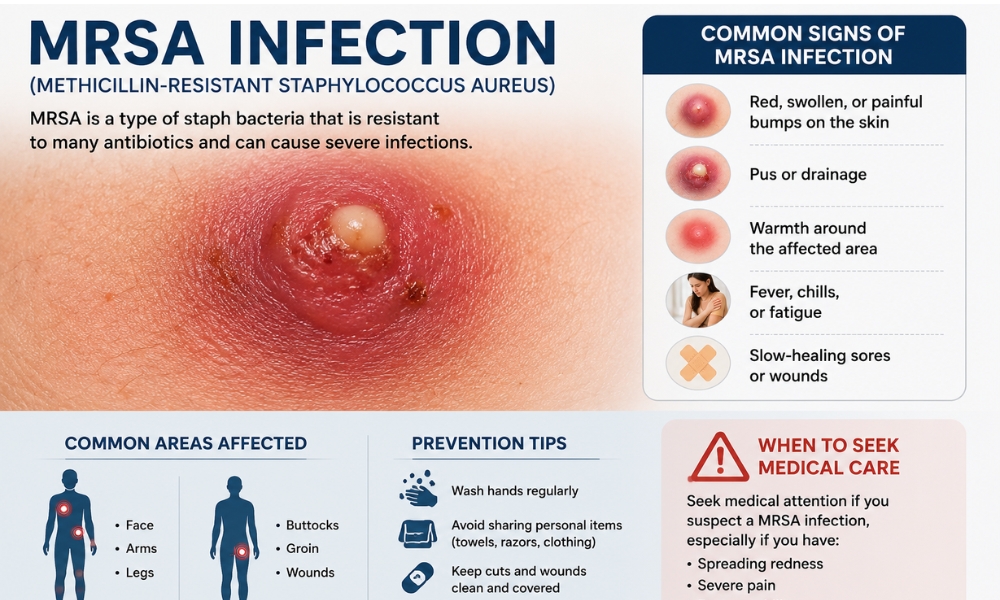
People often describe the affected area as:
- Red and inflamed
- Painful or tender
- Warm to the touch
- Firm or swollen
- Filled with pus or fluid
- Rapidly worsening
When evaluating suspicious skin lesions, healthcare providers may recommend prompt assessment through acute care services if symptoms appear to be progressing.
Early MRSA Symptoms
Early MRSA symptoms can be surprisingly subtle. Many people initially assume they have a simple skin irritation. However, there are several clues that may indicate something more significant is developing.
The first sign is usually a small red area that becomes increasingly painful. Unlike many minor skin conditions, MRSA often causes discomfort that seems disproportionate to the size of the lesion.
Patients frequently report:
- Increasing tenderness
- Swelling around the affected area
- Warmth beneath the skin
- Persistent redness
- Pus formation
- Mild fever in some cases
As the body’s immune system responds, inflammation intensifies. Some individuals also develop fatigue, body aches, or mild flu-like symptoms.
If symptoms are accompanied by fever, healthcare providers may recommend further evaluation, laboratory testing, or additional assessment through lab services to identify the cause.
How MRSA Changes Over Time
One characteristic that often distinguishes MRSA from less serious skin conditions is how quickly it can evolve.
A bump that seemed harmless on Monday may become significantly swollen by Wednesday. The infection may begin to collect pus beneath the surface, creating a painful abscess.
Some abscesses become large enough to interfere with daily activities. Walking, sitting, exercising, or sleeping may become uncomfortable depending on the location.
The surrounding skin may also develop expanding redness. This can indicate spreading inflammation and should not be ignored.
In certain cases, untreated MRSA infections can spread beyond the skin into deeper tissues. While this is less common, it highlights the importance of early recognition and treatment.
Individuals who have underlying conditions such as diabetes may face additional challenges with healing. Ongoing management through diabetes care in Sugar Land can help reduce infection-related complications.
Important Note
Not every red bump is MRSA, and many skin infections are mild and easily treated. However, worsening pain, increasing redness, pus formation, fever, or spreading symptoms deserve medical attention. Attempting to self-diagnose serious skin infections may delay appropriate treatment and increase the risk of complications.
Where MRSA Commonly Appears
MRSA can develop almost anywhere on the body, but some areas are affected more frequently than others.
Common locations include the legs, arms, buttocks, groin, armpits, neck, and face. Areas exposed to friction, sweating, or frequent skin-to-skin contact tend to be more vulnerable.
Athletes, gym-goers, and individuals who participate in contact sports may occasionally develop infections in areas subjected to repeated rubbing or minor skin trauma.
Shaving can also create tiny openings in the skin, providing an opportunity for bacteria to enter. This is why some MRSA infections initially appear as infected hair follicles or ingrown hairs.
Patients who experience recurring skin infections may benefit from discussing preventive strategies with providers experienced in preventive medicine.
Who Is Most at Risk?
Although anyone can develop MRSA, certain groups face a higher risk.
People living in close-contact environments often experience increased exposure. This includes athletes, military personnel, students in dormitories, and residents of long-term care facilities.
Individuals with weakened immune systems may also be more susceptible. Chronic health conditions can affect the body’s ability to fight infection effectively.
Risk factors may include:
- Diabetes
- Recent hospitalization
- Recent surgery
- Open wounds
- Skin conditions such as eczema
- Weakened immune function
- Frequent antibiotic use
Patients managing ongoing health concerns through chronic disease management services should pay close attention to new skin infections and report concerning symptoms promptly.
When Should You Worry About MRSA?
A common voice-search question is: “When should I see a doctor for a skin infection?”
The answer depends on the severity and progression of symptoms.
You should seek medical evaluation if a red bump continues growing, becomes increasingly painful, develops visible pus, or fails to improve after several days.
Fever is another important warning sign. When a skin infection is accompanied by fever, chills, fatigue, or body aches, it may indicate a more significant infection requiring professional care.
Rapidly spreading redness should also be taken seriously. Healthcare providers often mark the edge of redness to monitor whether the infection continues expanding over time.
Individuals with diabetes, heart disease, or compromised immune systems should be particularly cautious because infections can sometimes progress more quickly.
If you develop severe symptoms or have concerns about an infection worsening, prompt evaluation through urgent care and walk-in services may be appropriate.
How MRSA Is Diagnosed
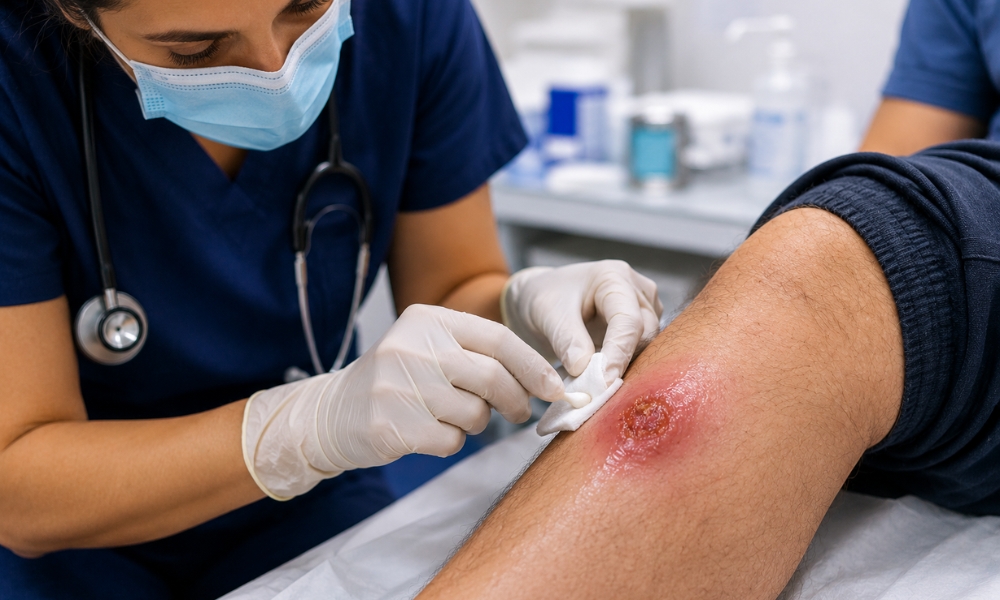
Diagnosing MRSA typically begins with a physical examination. Healthcare providers assess the appearance of the lesion, evaluate symptoms, and review medical history.
In many cases, the provider may collect a sample of drainage or pus from the infected area. This sample is sent to a laboratory to identify the bacteria responsible for the infection and determine which antibiotics are likely to be effective.
Additional testing may be recommended depending on the severity of symptoms, the patient’s medical history, and whether the infection appears localized or more widespread.
MRSA Treatment Options
Many people are understandably alarmed when they hear the term MRSA because of its reputation for antibiotic resistance. However, it’s important to know that many MRSA skin infections can be treated successfully when diagnosed early.
The most appropriate treatment depends on the size, location, and severity of the infection. Small infections may require close monitoring and targeted antibiotics, while larger abscesses sometimes need a minor drainage procedure performed by a healthcare professional.
One mistake patients sometimes make is attempting to squeeze or pop a suspected MRSA lesion at home. While this may seem like a logical solution, it can actually push bacteria deeper into the skin, increase inflammation, and potentially spread the infection to surrounding tissues.
Healthcare providers evaluate each case individually. Treatment may involve:
- Drainage of abscesses when necessary
- Prescription antibiotics effective against MRSA
- Wound care instructions
- Follow-up monitoring
- Laboratory testing when appropriate
Patients experiencing recurrent skin infections may require a more comprehensive evaluation to identify underlying factors contributing to repeated infections.
For individuals who cannot easily attend an office visit immediately, an initial consultation through telehealth services may help determine the next appropriate step.
How to Prevent MRSA Infections
Preventing MRSA often comes down to good hygiene and protecting the skin from unnecessary exposure to bacteria.
Since MRSA can spread through direct skin-to-skin contact or contaminated surfaces, simple preventive measures can significantly reduce risk.
Regular handwashing remains one of the most effective ways to prevent many infections, including MRSA. Washing hands thoroughly after touching potentially contaminated surfaces, exercising, or caring for wounds helps reduce bacterial transmission.
Keeping cuts, scrapes, and abrasions clean and covered is equally important. Even small breaks in the skin can provide an entry point for bacteria.
People who use gyms or participate in sports should avoid sharing personal items such as:
- Towels
- Razors
- Athletic equipment that contacts skin
- Personal hygiene products
Showering promptly after exercise and disinfecting frequently touched surfaces may also reduce exposure.
Individuals with chronic medical conditions should work closely with their healthcare provider to maintain overall health, since better disease control often improves the body’s ability to fight infection.
Regular wellness visits and preventive screenings through annual physical exams can help identify health concerns before complications develop.
Can MRSA Be Mistaken for Other Skin Conditions?
Yes. In fact, this is one of the reasons MRSA infections are sometimes diagnosed later than they should be.
Many patients initially believe they have:
- A spider bite
- An ingrown hair
- A pimple
- A cyst
- An insect bite
- A minor skin irritation
While these conditions can appear similar, MRSA often becomes progressively more painful and inflamed. The development of pus, worsening redness, and increasing tenderness frequently distinguish it from less serious skin concerns.
A common search question is, “Does MRSA always have pus?” The answer is no. Some MRSA infections may initially appear as firm, painful red bumps without visible drainage. However, pus formation often develops as the infection progresses.
Another frequently asked question is whether MRSA always causes fever. Again, the answer is no. Many skin infections remain localized and do not produce systemic symptoms. Fever tends to occur more often when the infection is larger or spreading.
Can MRSA Spread to Other Parts of the Body?
MRSA can spread under certain circumstances, especially if the infection is left untreated.
Bacteria may spread through direct contact with infected drainage or contaminated items such as towels, bedding, or clothing. Touching an infected area and then another part of the body may also contribute to bacterial spread.
In more serious cases, MRSA can move beyond the skin and enter deeper tissues or the bloodstream. Although these complications are less common, they can become serious and require prompt medical attention.
Warning signs that an infection may be spreading include:
- Increasing redness
- Expanding swelling
- Fever
- Chills
- Severe fatigue
- Rapid worsening of symptoms
If these symptoms occur, immediate medical evaluation is recommended.
What Does Healing MRSA Look Like?
Many patients wonder whether they are improving once treatment begins.
In most cases, healing MRSA lesions gradually become less painful and less swollen. Redness begins to fade, drainage decreases, and the skin starts repairing itself.
The speed of recovery depends on several factors, including the size of the infection, overall health, and how quickly treatment was started.
Patients with diabetes or other chronic conditions may heal more slowly than healthy individuals. Maintaining good blood sugar control and following treatment recommendations can support recovery.
Even after symptoms improve, completing prescribed treatment and following wound care instructions remain important to reduce the risk of recurrence.
Important Note
Most MRSA skin infections can be treated successfully, especially when recognized early. Delaying care because a lesion “looks like a pimple” may allow the infection to worsen. If a skin lesion becomes increasingly painful, swollen, warm, or filled with pus, seeking medical evaluation is often the safest decision.
MRSA Care in Sugar Land, TX
Skin infections can be uncomfortable, painful, and sometimes concerning when symptoms seem to worsen quickly. Residents of Sugar Land and surrounding communities who develop suspicious skin lesions should not ignore changes such as increasing redness, drainage, swelling, or fever.
At Voss Family Clinic, patients receive comprehensive evaluation for skin infections, acute illnesses, chronic disease management, preventive healthcare, and primary care services. Whether symptoms appear mild or more concerning, early medical assessment may help prevent complications and support faster recovery.
Patients experiencing worsening skin infections, fever, or related symptoms can schedule an appointment or seek evaluation through the clinic’s healthcare team.
Concerned About a Possible MRSA Infection?
A painful red bump, worsening skin infection, or draining lesion should not be ignored. The healthcare team at Voss Family Clinic provides evaluation and treatment for skin infections, acute illnesses, and ongoing health concerns. Schedule an appointment today to receive personalized medical care and guidance.
Voss Family Clinic | Sugar Land, TX
Frequently Asked Questions About MRSA
What does MRSA look like at first?
MRSA often begins as a small red bump that resembles a pimple, insect bite, ingrown hair, or boil. The area may become increasingly painful, swollen, and warm over time.
Can MRSA look like a spider bite?
Yes. Many people initially mistake MRSA for a spider bite because both can appear as red, swollen lesions. However, MRSA often continues worsening and may develop pus.
Is MRSA contagious?
MRSA can spread through direct contact with infected skin, drainage, or contaminated personal items such as towels and razors.
Does MRSA always cause fever?
No. Many MRSA skin infections remain localized and do not cause fever. Fever is more likely when the infection becomes more extensive or begins spreading.
Can MRSA go away on its own?
Some minor skin infections may improve, but MRSA should never be ignored. Professional evaluation helps determine whether treatment is necessary and reduces the risk of complications.
What color is a MRSA infection?
MRSA infections are often red or pink initially. As inflammation increases, the area may appear darker red, purple, or develop a yellow or white center if pus forms.
How quickly does MRSA spread?
MRSA can progress within days. A small bump may become significantly larger, more painful, and more swollen over a relatively short period.
When should I see a doctor for a possible MRSA infection?
You should seek medical attention if a skin lesion becomes increasingly painful, develops pus, continues growing, causes fever, or fails to improve within several days.
Final Thoughts
If you’ve been wondering what MRSA looks like, the most important thing to remember is that it often starts as what appears to be a minor skin problem. A painful red bump, boil-like lesion, or pimple that rapidly worsens should never be dismissed.
Recognizing MRSA symptoms early allows treatment to begin before complications develop. While many infections are manageable, delaying care can increase discomfort and the risk of spread. If you notice a suspicious skin lesion that is becoming more painful, swollen, warm, or filled with pus, professional medical evaluation is a smart next step.
Medical Disclaimer: The information in this article is provided for general educational purposes only and is not a substitute for professional medical advice, diagnosis, or treatment. Consult a qualified healthcare professional regarding your individual health concerns. If you are experiencing a medical emergency, call 911 or seek emergency medical care.