
Being diagnosed with type 2 diabetes can feel overwhelming at first. Questions about medications, blood sugar levels, food choices, exercise, and possible complications often arise immediately. Many people wonder if life will ever feel “normal” again or if diabetes will eventually lead to serious health problems.
The reassuring news is that type 2 diabetes is highly manageable. With the right combination of medical care, healthy lifestyle habits, routine monitoring, and ongoing support, many people successfully control their blood sugar and continue living active, healthy lives for decades.
Managing diabetes isn’t simply about lowering a number on a glucose meter. It involves protecting your heart, kidneys, eyes, nerves, and blood vessels while reducing your risk of future complications. Effective diabetes care looks at the whole person—not just the disease.
At Voss Family Clinic, diabetes management focuses on long-term partnership rather than one-time treatment. Every patient’s health history, lifestyle, goals, medications, and risk factors are carefully considered when developing an individualized care plan. Whether you’ve recently been diagnosed or have been living with diabetes for years, consistent medical follow-up can make a meaningful difference in your overall health.
Important Note
Type 2 diabetes often develops gradually, and many people don’t realize their blood sugar has been elevated until complications begin to appear. Regular checkups, blood work, and healthy lifestyle changes can help identify problems early and significantly reduce the risk of heart disease, kidney damage, vision loss, and nerve injury. The sooner diabetes is managed, the better the long-term outlook.
Table of Contents
What Is Type 2 Diabetes?
Type 2 diabetes is a chronic condition that affects how the body processes glucose, which is the primary source of energy for your cells. After eating, carbohydrates are broken down into glucose and released into the bloodstream. Normally, the hormone insulin helps move this glucose from the blood into the body’s cells, where it can be used for energy.
With type 2 diabetes, this process doesn’t work as efficiently. The body’s cells become resistant to insulin, meaning they don’t respond as they should. At first, the pancreas tries to compensate by producing more insulin. Over time, however, it may not be able to keep up with the body’s increasing demand. As a result, blood sugar levels remain elevated.
Unlike type 1 diabetes, which develops when the immune system destroys insulin-producing cells, type 2 diabetes usually develops gradually over many years. This slow progression is one reason why many people have diabetes long before receiving a diagnosis.
Understanding Insulin Resistance
Insulin resistance is the driving force behind most cases of type 2 diabetes. Think of insulin as a key that unlocks the door allowing glucose to enter your body’s cells. When insulin resistance develops, the lock becomes harder to open. Even though insulin is present, the cells don’t respond normally.
To compensate, the pancreas produces more insulin. For a period of time, this increased insulin production may keep blood sugar within a normal range. Eventually, however, the pancreas becomes less able to meet the body’s demands, allowing glucose levels to rise.
Insulin resistance doesn’t develop overnight. It often progresses silently for years before symptoms become noticeable. During this time, lifestyle factors such as excess body weight, physical inactivity, poor nutrition, chronic stress, and genetics may all contribute to worsening insulin resistance.
Understanding this process helps explain why treatment involves much more than medication alone. Improving insulin sensitivity through healthy lifestyle changes is one of the most effective ways to manage type 2 diabetes.
Common Signs and Symptoms of Type 2 Diabetes
One of the challenges of type 2 diabetes is that symptoms often develop slowly. Many people assume they’re simply getting older, working too much, or feeling stressed, when elevated blood sugar is actually the underlying cause.
Some individuals have no noticeable symptoms at all and discover diabetes only during routine blood work or an annual physical examination.
Common symptoms include:
- Increased thirst.
- Frequent urination.
- Persistent fatigue.
- Blurred vision.
- Slow-healing cuts or wounds.
- Frequent skin or urinary tract infections.
- Unexplained weight changes.
- Increased hunger.
- Tingling or numbness in the hands and feet.
These symptoms occur because excess glucose remains in the bloodstream rather than entering the body’s cells efficiently. Over time, elevated blood sugar can also damage small blood vessels and nerves, leading to additional health problems if left untreated.
Who Is Most Likely to Develop Type 2 Diabetes?
Although anyone can develop type 2 diabetes, certain factors significantly increase the risk. Some of these risks, such as family history and age, cannot be changed. Others are closely linked to lifestyle and can often be improved through healthy habits and regular medical care.
Risk factors include:
- Being overweight or obese.
- Physical inactivity.
- A family history of diabetes.
- High blood pressure.
- Abnormal cholesterol levels.
- Previous gestational diabetes.
- Polycystic ovary syndrome (PCOS).
- Age over 45, although younger adults are increasingly affected.
Having one or more of these risk factors doesn’t mean you’ll definitely develop diabetes. However, it does mean regular screening becomes especially important so that elevated blood sugar can be detected before serious complications occur.
At Voss Family Clinic, routine Preventive Medicine visits and comprehensive Lab Services help identify diabetes and prediabetes early, often before noticeable symptoms develop.
Important Note
A diagnosis of type 2 diabetes is not a sign that you’ve failed or that serious complications are inevitable. With today’s treatment options, regular monitoring, and healthy lifestyle changes, many people successfully keep their blood sugar under control for years. The key is working closely with your healthcare provider and making consistent, sustainable changes rather than trying to achieve perfection overnight.
How Is Type 2 Diabetes Diagnosed?
Type 2 diabetes is usually diagnosed through blood tests that measure how your body handles glucose. Because symptoms may be mild—or completely absent—routine screening plays an essential role in identifying the condition early.
Your healthcare provider may recommend testing if you have risk factors such as obesity, high blood pressure, elevated cholesterol, a family history of diabetes, or previous prediabetes. Even without symptoms, regular screening can detect changes before complications develop.
Common diagnostic tests include:
A1C Test
The A1C test measures your average blood sugar over the previous two to three months. Unlike a single glucose reading, it provides a broader picture of long-term blood sugar control.
For many patients already diagnosed with diabetes, this test is repeated several times each year to evaluate how well treatment is working.
Fasting Blood Glucose
This test measures blood sugar after you have not eaten for at least eight hours. Elevated fasting glucose may indicate prediabetes or diabetes and often serves as one of the first screening tests.
Random Blood Glucose
In certain situations, especially when symptoms are present, a random blood sugar test may also provide valuable information.
Routine laboratory monitoring through our Lab Services helps patients and providers track blood sugar trends and make timely adjustments to treatment plans.
Building a Long-Term Diabetes Management Plan
Managing type 2 diabetes involves much more than taking medication. Successful long-term care combines medical treatment, nutrition, physical activity, regular monitoring, education, and preventive care into one coordinated plan.
No two patients are exactly alike. Age, overall health, other medical conditions, daily routines, and personal goals all influence which treatment strategies are most appropriate.
At Voss Family Clinic, diabetes management is individualized rather than one-size-fits-all. Dr. Humera Naqvi and Asma Rehman, NP, work closely with patients to develop realistic, sustainable plans that fit their lifestyles while helping improve blood sugar control and reduce future health risks.
Why Blood Sugar Monitoring Matters
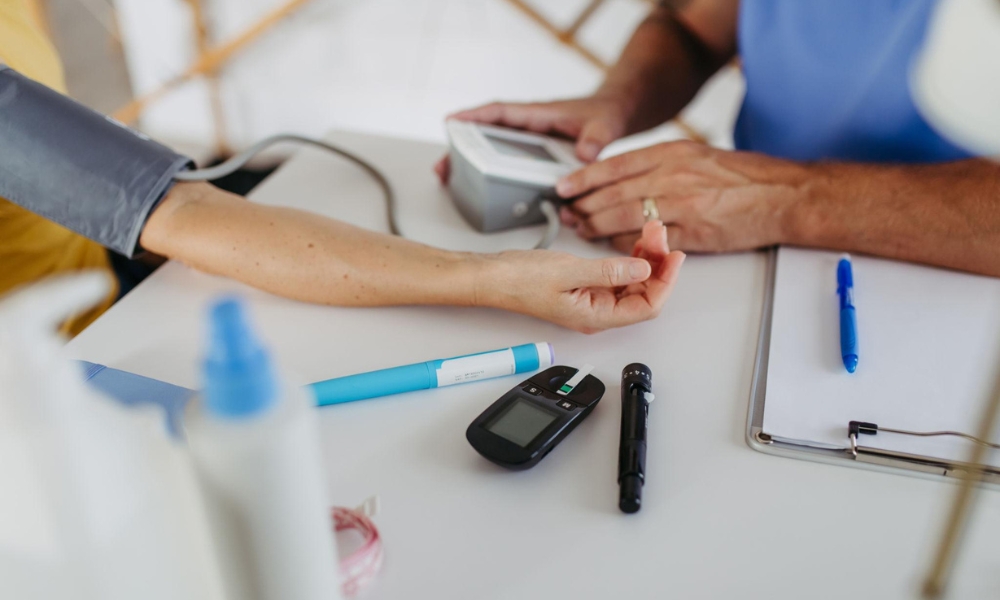
Monitoring blood glucose provides valuable insight into how food, physical activity, medications, illness, stress, and sleep affect your diabetes.
Some patients check their blood sugar daily, while others may only require periodic testing depending on their treatment plan. Your healthcare provider will recommend a monitoring schedule based on your individual needs.
Keeping track of glucose readings helps identify patterns that may otherwise go unnoticed. For example, some individuals experience consistently elevated morning blood sugar, while others notice spikes after specific meals.
Reviewing these trends allows your provider to recommend practical adjustments before problems become more serious.

Understanding Diabetes Medications
Modern diabetes treatment offers more options than ever before. Medication recommendations depend on your blood sugar levels, A1C, overall health, kidney function, cardiovascular risk, and other medical conditions.
Metformin
Metformin is often the first medication prescribed for type 2 diabetes. It works primarily by improving insulin sensitivity and reducing glucose production by the liver. For many patients, it remains an effective long-term therapy.
GLP-1 Receptor Agonists
These newer medications help improve blood sugar control while also promoting weight loss for many individuals. They work by slowing stomach emptying, increasing insulin release after meals, and helping reduce appetite.
Because excess weight often contributes to insulin resistance, these medications may offer benefits beyond glucose control for appropriate patients.
SGLT2 Inhibitors
Another newer class of medications lowers blood sugar by helping the kidneys remove excess glucose through the urine. Some of these medications also provide additional heart and kidney benefits for selected patients.
Insulin Therapy
Although many people associate insulin only with advanced diabetes, some individuals benefit from insulin earlier depending on their blood sugar levels and overall health.
Needing insulin should never be viewed as a personal failure. Instead, it represents another tool that helps protect the body from the damaging effects of prolonged high blood sugar.
Lifestyle Changes Remain the Foundation of Diabetes Care
Even with today’s advanced medications, healthy lifestyle habits remain one of the most powerful ways to improve blood sugar control.
Healthy Nutrition
There is no single “diabetes diet” that works for everyone. Instead, balanced eating patterns that emphasize vegetables, lean proteins, whole grains, healthy fats, legumes, and high-fiber foods often provide the greatest benefit.
Learning how carbohydrates affect blood sugar helps patients make informed food choices without feeling that they must completely eliminate favorite meals.
Rather than following restrictive fad diets, most people achieve better long-term success by adopting realistic eating habits they can maintain for years.
Regular Physical Activity
Exercise helps muscles use glucose more efficiently, improves insulin sensitivity, supports heart health, and contributes to healthy weight management.
Walking, cycling, swimming, resistance training, and other enjoyable forms of movement can all become part of a diabetes management plan. Even modest increases in daily activity often produce measurable improvements in blood sugar.
Medical Weight Loss
For patients who are overweight or obese, even a modest weight loss of 5% to 10% of body weight may significantly improve insulin resistance and blood sugar control.
Patients interested in additional support may benefit from our Medical Weight Loss program, which combines personalized guidance with ongoing medical supervision to help achieve sustainable results.
Managing Other Chronic Health Conditions
Type 2 diabetes rarely occurs alone. Many patients also have high blood pressure, elevated cholesterol, obesity, fatty liver disease, or heart disease. Because these conditions influence one another, managing them together is essential for reducing long-term complications.
Through our Chronic Disease Management program, patients receive coordinated care that addresses multiple health conditions rather than focusing solely on blood sugar levels.
Why Preventing Diabetes Complications Matters
One of the most important goals of type 2 diabetes management is preventing long-term complications before they occur. Persistently elevated blood sugar can gradually damage blood vessels and nerves throughout the body, often without causing noticeable symptoms in the early stages.
Fortunately, keeping blood sugar, blood pressure, and cholesterol under control can significantly reduce these risks. Regular follow-up appointments also allow healthcare providers to identify small changes early, when treatment is often most effective.
Heart Disease and Stroke
People with diabetes are at a much higher risk of developing cardiovascular disease. High blood sugar can damage blood vessels over time, making it easier for plaque to build up inside arteries. This increases the likelihood of heart attacks and strokes.
Managing blood pressure, cholesterol, weight, and blood sugar together provides the greatest protection for long-term heart health.
Kidney Disease
The kidneys filter waste products from the blood, but elevated glucose levels can gradually damage these delicate filtering structures. Regular blood and urine testing helps detect kidney problems before symptoms develop.
Early treatment often slows disease progression and helps preserve kidney function.
Eye Problems
Diabetes is one of the leading causes of vision loss in adults. High blood sugar may damage the tiny blood vessels inside the retina, leading to diabetic retinopathy.
Annual dilated eye examinations are recommended because serious eye disease may develop long before vision changes become noticeable.
Nerve Damage
Diabetic neuropathy commonly affects the feet and lower legs, causing numbness, tingling, burning sensations, or pain. Because reduced sensation increases the risk of unnoticed injuries, proper foot care becomes an important part of diabetes management.
Patients should inspect their feet regularly and report any sores, cuts, blisters, or infections that don’t heal promptly.
The Importance of Regular Follow-Up Visits
Diabetes is not a condition that can be managed with a single appointment. Blood sugar levels, medications, lifestyle habits, and overall health change over time, making ongoing follow-up essential.
Routine visits allow your healthcare provider to:
- Review blood sugar trends.
- Monitor A1C levels.
- Adjust medications if necessary.
- Evaluate blood pressure and cholesterol.
- Review nutrition and physical activity goals.
- Screen for early complications.
- Answer questions about diabetes management.
These regular appointments create opportunities to make small adjustments that can prevent larger health problems later.
Important Note
Managing type 2 diabetes is a long-term journey, not a short-term project. Blood sugar levels naturally change over time, and treatment plans may need adjustments as your health evolves. Staying engaged with regular medical care allows small concerns to be addressed early, helping you maintain better health and avoid preventable complications.
How Preventive Care Supports Diabetes Management
Preventive healthcare is an essential part of living well with diabetes. In addition to monitoring blood sugar, patients benefit from routine screenings that evaluate overall health and identify conditions that commonly occur alongside diabetes.
Preventive care may include:
- Routine physical examinations.
- Blood pressure monitoring.
- Cholesterol screening.
- Kidney function tests.
- Eye examinations.
- Foot evaluations.
- Recommended vaccinations.
- Nutrition and lifestyle counseling.
Our Preventive Medicine services focus on helping patients stay healthier by identifying potential problems before they become more serious.
Comprehensive Diabetes Care in Sugar Land
Successfully managing type 2 diabetes requires more than occasional blood sugar checks. It involves building a long-term partnership with a healthcare team that understands your medical history, monitors your progress, and helps you make informed decisions about your health.
At Voss Family Clinic, Dr. Humera Naqvi and Asma Rehman, NP, provide personalized diabetes care designed around each patient’s unique needs and goals. Whether you’re newly diagnosed, living with prediabetes, or managing diabetes for many years, our team focuses on practical solutions that fit your lifestyle.
Patients benefit from comprehensive services including Diabetes Care, Chronic Disease Management, Lab Services, Medical Weight Loss, and Preventive Medicine. Together, these services provide ongoing support that extends beyond medication alone.
If you’re ready to take a more proactive approach to your health, you can also schedule an appointment to discuss your diabetes management plan with our experienced healthcare team.
Frequently Asked Questions
Can type 2 diabetes be reversed?
Some people with early type 2 diabetes can achieve remission through significant weight loss, healthy lifestyle changes, and ongoing medical care. However, remission does not mean the condition is permanently cured, so continued follow-up remains important.
How often should my A1C be checked?
Most people with diabetes have their A1C checked every three to six months, depending on how well their blood sugar is controlled and whether treatment has recently changed.
What foods should I avoid with diabetes?
Rather than eliminating entire food groups, it’s generally more helpful to limit highly processed foods, sugary beverages, refined carbohydrates, and excessive portions while emphasizing balanced meals rich in vegetables, lean proteins, and whole grains.
Is exercise really that important?
Yes. Regular physical activity improves insulin sensitivity, helps lower blood sugar, supports heart health, and contributes to healthy weight management. Even moderate exercise performed consistently can provide meaningful health benefits.
Can I manage diabetes without medication?
Some people with early type 2 diabetes or prediabetes may successfully improve blood sugar through lifestyle changes alone. Others require medication to safely control glucose levels. Your healthcare provider will recommend the most appropriate treatment based on your individual health needs.
How often should I see my healthcare provider?
Many patients benefit from follow-up visits every three to six months, although the exact schedule depends on blood sugar control, medications, and any other medical conditions that require monitoring.
Final Thoughts
Type 2 diabetes is a lifelong condition, but it doesn’t have to define your future. With early diagnosis, regular monitoring, personalized medical care, and realistic lifestyle changes, many people successfully maintain healthy blood sugar levels while reducing their risk of serious complications.
The most effective diabetes management plans combine medication when needed with healthy nutrition, regular physical activity, preventive screenings, and ongoing communication with your healthcare team. Every positive step—whether it’s improving your diet, becoming more active, or attending routine follow-up visits—helps protect your long-term health.
If you’ve been diagnosed with type 2 diabetes or are concerned about elevated blood sugar, seeking medical care today can help you build a plan that supports your health for years to come.
Medical Disclaimer: The information in this article is provided for general educational purposes only and is not a substitute for professional medical advice, diagnosis, or treatment. Consult a qualified healthcare professional regarding your individual health concerns. If you are experiencing a medical emergency, call 911 or seek emergency medical care.