
Heart palpitations can feel unsettling. Many people describe them as a fluttering, pounding, racing, or skipped heartbeat sensation in the chest. At times, they come and go quickly. Other times, they can last longer and feel more noticeable, especially when you are resting or trying to fall asleep.
For most people, heart palpitations are harmless and related to lifestyle factors such as stress, caffeine, dehydration, or lack of sleep. However, in some cases, palpitations may be linked to an irregular heartbeat or underlying heart conditions that require medical attention.
Understanding when to worry about heart palpitations is important because the same symptom can range from completely benign to something that needs urgent evaluation.
Table of Contents
Important Note
Heart palpitations are common and often harmless, but in some cases they can signal an underlying heart rhythm issue. This guide will help you understand normal vs concerning symptoms so you can make informed health decisions.
What Are Heart Palpitations?
Heart palpitations are sensations where you become aware of your heartbeat. Instead of beating quietly in the background, your heart may feel like it is racing, skipping beats, fluttering, or pounding strongly in your chest or throat.
These sensations can happen when the heart beats too fast, too slow, or in an irregular pattern. In medical terms, this may be related to an irregular heartbeat or temporary rhythm changes that are not always dangerous.
Palpitations can occur at rest, during activity, or even during sleep. Many people notice them more clearly when they are lying down quietly because there are fewer distractions.
How Heart Palpitations Feel
People experience heart palpitations in different ways. Some describe a “flip-flop” sensation in the chest, while others feel a rapid pounding heartbeat.
Common sensations include:
- Heart racing suddenly
- Feeling like the heart skips a beat
- Pounding or strong heartbeat in chest or neck
- Fluttering sensation in the chest
- Brief pauses followed by a stronger beat
These feelings can last a few seconds or several minutes. In most cases, they resolve on their own without treatment.
However, frequent or prolonged episodes may require medical evaluation through acute care services to rule out underlying causes.
Common Causes of Heart Palpitations
There are many possible causes of heart palpitations, and most are not related to serious heart disease. Instead, they are often triggered by everyday lifestyle factors or temporary conditions.
Some of the most common causes include stress, anxiety, caffeine intake, dehydration, lack of sleep, and intense physical activity.
Emotional stress can activate the body’s “fight or flight” response, releasing adrenaline that temporarily increases heart rate. This can make the heartbeat feel stronger or faster than usual.
Other causes include fever, hormonal changes, or certain medications that affect heart rhythm.
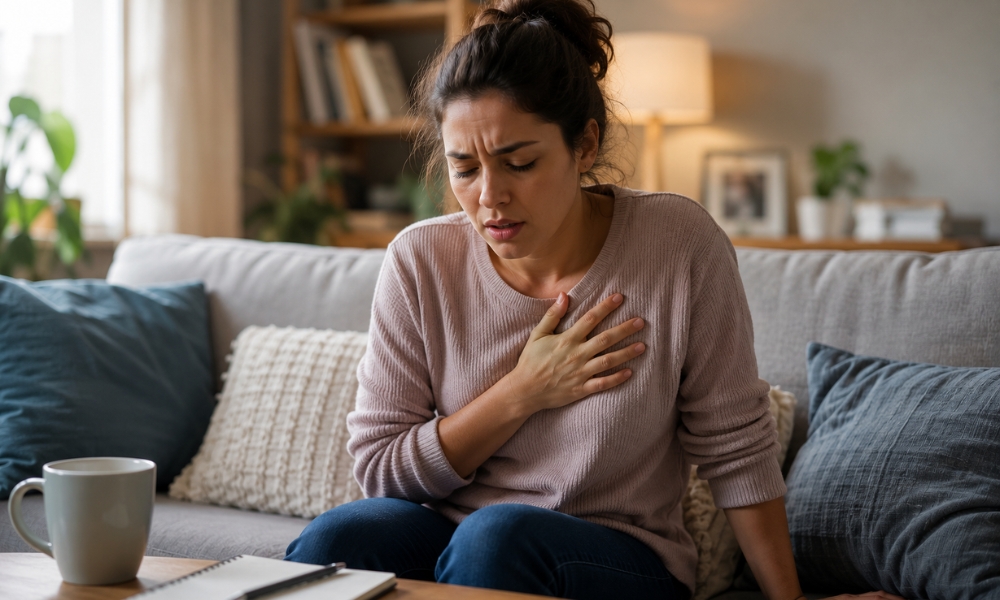
[IMAGE: Person experiencing mild chest awareness or palpitations while resting in a calm environment]
Most of these causes are temporary and resolve once the trigger is removed or managed.
When Palpitations Are Normal
In many situations, heart palpitations are completely normal and not a sign of disease. They may occur occasionally after exercise, caffeine consumption, or stressful situations.
Even strong awareness of heartbeat during rest can be normal in healthy individuals, especially when lying down or after physical exertion.
Normal palpitations usually:
- Last only a few seconds
- Occur occasionally, not frequently
- Are linked to triggers like stress or caffeine
- Do not cause dizziness or chest pain
If palpitations are infrequent and not accompanied by other symptoms, they are often considered benign.
When Should I Worry About Heart Palpitations?
A common question is: “When should I worry about heart palpitations?” The answer depends on associated symptoms and frequency.
Palpitations become concerning when they are frequent, prolonged, or occur with other symptoms that suggest the heart is not functioning normally.
Warning signs include chest pain, shortness of breath, dizziness, fainting, or a feeling of pressure in the chest.
These symptoms may indicate a more serious irregular heartbeat or cardiac condition that needs evaluation.
If palpitations occur suddenly without any clear trigger and feel different from usual episodes, medical attention is recommended.
Evaluation through physical examinations or cardiac testing can help identify the cause.
Irregular Heartbeat Explained
An irregular heartbeat, also known as arrhythmia, occurs when the heart beats too fast, too slow, or with an uneven rhythm.
Not all irregular heartbeats are dangerous. Some are harmless and temporary, while others may require treatment.
Common types of rhythm changes include extra beats, skipped beats, or rapid heartbeat episodes.
These irregular patterns may cause palpitations that feel more intense or noticeable than normal heartbeats.
In some cases, underlying conditions such as thyroid imbalance, electrolyte issues, or heart disease may contribute to irregular rhythms.
If symptoms are persistent, further evaluation through lab services may help identify metabolic or hormonal causes.
Lifestyle Triggers
Many heart palpitations are linked to daily habits. Caffeine is one of the most common triggers, especially in coffee, tea, and energy drinks.
Other triggers include lack of sleep, dehydration, smoking, and high stress levels. Even skipping meals can sometimes trigger palpitations due to changes in blood sugar levels.
Understanding these triggers can help reduce episodes without medical treatment.
Risk Factors
Some individuals are more likely to experience problematic palpitations due to underlying health conditions.
Risk factors include high blood pressure, diabetes, thyroid disorders, heart disease, and family history of cardiac conditions.
Older adults and individuals with chronic illness should monitor symptoms more closely through chronic disease management services.
When Heart Palpitations Become Concerning
Heart palpitations become more concerning when they start changing in pattern, frequency, or intensity. A single skipped beat every once in a while is usually harmless, but repeated episodes that feel stronger or more chaotic may need evaluation.
One of the most important things to observe is whether palpitations occur at rest or during activity. Palpitations that happen at rest without any clear trigger can sometimes indicate an underlying irregular heartbeat that should be checked.
If the heart feels like it is racing for several minutes without slowing down, or if episodes are becoming more frequent over time, it is a good idea to seek medical advice.
Patients who experience worsening symptoms may benefit from evaluation through acute care services to rule out serious causes early.
Symptoms That Should Not Be Ignored
While many heart palpitations are harmless, certain symptoms should always be taken seriously. These warning signs suggest that the heart may not be functioning normally and requires medical evaluation.
Symptoms include chest pain or pressure, shortness of breath, dizziness, fainting, or a sensation of tightness in the chest along with palpitations.
Some people may also feel unusually weak, sweaty, or anxious during episodes, especially if the heart rhythm becomes irregular.
If these symptoms occur together, it is important not to delay care, as they may indicate a more serious cardiac condition.
How Doctors Diagnose Heart Palpitations
Diagnosis begins with a detailed medical history. Doctors often ask when the palpitations started, how long they last, what they feel like, and whether they are associated with other symptoms.
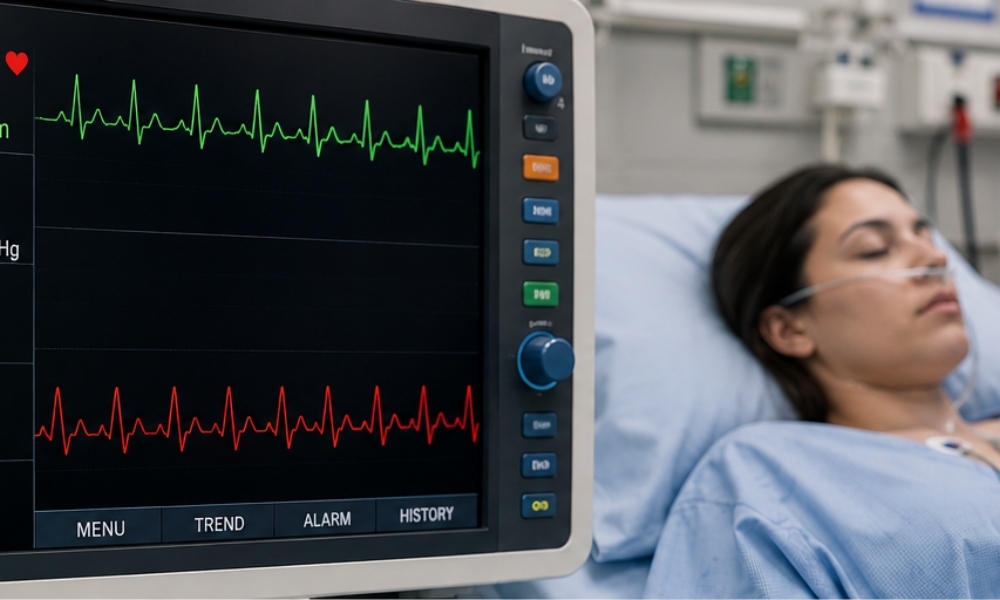
A physical examination is usually performed to check heart rate and rhythm. In many cases, an electrocardiogram (ECG) is used to record the heart’s electrical activity.
If palpitations are intermittent, longer monitoring may be needed to capture abnormal rhythms as they occur.
Lab tests may also be recommended to check for thyroid problems, anemia, or electrolyte imbalances that can contribute to irregular heartbeat.
These evaluations help determine whether the palpitations are harmless or require further treatment.
How Heart Palpitations Are Treated
Treatment depends entirely on the underlying cause. In many cases, no medical treatment is needed once triggers are identified and managed.
If palpitations are caused by stress or anxiety, lifestyle changes such as relaxation techniques, improved sleep, and reduced caffeine intake may help significantly.
If an underlying medical condition is found, treatment will focus on managing that condition. This may include medications for thyroid disorders, blood pressure control, or heart rhythm stabilization.
In all cases, identifying the cause is the first and most important step toward effective treatment.
How to Reduce Heart Palpitations Naturally
Many people can reduce or prevent palpitations by making simple lifestyle adjustments. Reducing caffeine intake is often one of the most effective changes.
Staying hydrated is also important because dehydration can trigger palpitations by affecting blood volume and electrolyte balance.
Managing stress through deep breathing, meditation, or light physical activity can also help stabilize heart rhythm.
Regular sleep patterns and avoiding excessive alcohol or nicotine use are additional factors that support heart health.
Can Heart Palpitations Be Prevented?
While not all palpitations can be prevented, many lifestyle-related cases can be significantly reduced with consistent habits.
Maintaining a healthy routine, managing chronic conditions, and avoiding known triggers can all lower the likelihood of episodes.
People with existing health conditions should maintain regular checkups through chronic disease management services to reduce risk over time.
When to Seek Medical Help
You should seek medical attention if heart palpitations are frequent, worsening, or accompanied by symptoms such as chest pain, fainting, or shortness of breath.
Even if symptoms are mild but persistent, it is still advisable to get evaluated to rule out an underlying irregular heartbeat.
Early evaluation can provide peace of mind and help identify conditions before they become more serious.
Walk-in evaluation through urgent care services is recommended for sudden or concerning symptoms.
Important Note
Most heart palpitations are not dangerous, but symptoms that involve chest pain, fainting, or shortness of breath should always be treated as urgent. Early evaluation helps ensure safety and rule out serious heart conditions.
Heart Palpitations Care in Sugar Land, TX
For individuals in Sugar Land and surrounding areas, timely evaluation of heart palpitations is important for both peace of mind and long-term health.
At Voss Family Clinic, patients receive comprehensive evaluation for heart-related symptoms, including diagnostic testing, risk assessment, and chronic condition management.
If you are experiencing frequent or unexplained heart palpitations, scheduling an appointment can help identify the cause and guide appropriate treatment.
Experiencing Heart Palpitations?
If your heartbeat feels irregular, fast, or unusual—especially with chest discomfort or dizziness—don’t ignore it. Early evaluation can help rule out serious conditions and protect your heart health.
Voss Family Clinic | Sugar Land, TX
Frequently Asked Questions
When should I worry about heart palpitations?
You should worry if palpitations are frequent, prolonged, or accompanied by chest pain, shortness of breath, dizziness, or fainting.
Are heart palpitations always serious?
No, most heart palpitations are harmless and caused by stress, caffeine, or dehydration.
Can anxiety cause heart palpitations?
Yes, anxiety can trigger palpitations by increasing adrenaline levels and heart rate.
What does an irregular heartbeat feel like?
It may feel like fluttering, racing, skipped beats, or pounding in the chest.
Can dehydration cause palpitations?
Yes, dehydration can affect electrolyte balance and trigger palpitations.
How are palpitations diagnosed?
Doctors use physical exams, ECG tests, and lab work to identify the cause.
Final Thoughts
Heart palpitations can be unsettling, but they are often harmless and related to everyday triggers. However, understanding when they may signal a more serious condition is important for your health and safety.
If symptoms are new, persistent, or accompanied by warning signs, seeking medical evaluation is always the safest decision.
Medical Disclaimer: The information in this article is provided for general educational purposes only and is not a substitute for professional medical advice, diagnosis, or treatment. Consult a qualified healthcare professional regarding your individual health concerns. If you are experiencing a medical emergency, call 911 or seek emergency medical care.